PHOENIX — The Tohono O’odham Nation of southern Arizona announced Friday that its legal team will travel to Washington, D.C., on Dec. 1 to present the tribe’s case before the U.S. Court of Appeals for the D.C. Circuit. The appeal follows a recent ruling by U.S. District Judge Richard Leon, who denied the tribe’s request for a court‑ordered halt to the Trump administration’s border wall construction on its reservation.
What’s at stake
Quitobaquito Springs, a millennia‑old freshwater oasis located in Organ Pipe Cactus National Monument, lies just 200 feet from the U.S.–Mexico border. The site is sacred to the Tohono O’odham people and provides habitat for endangered species such as the Quitobaquito pupfish and the Sonoyta mud turtle.
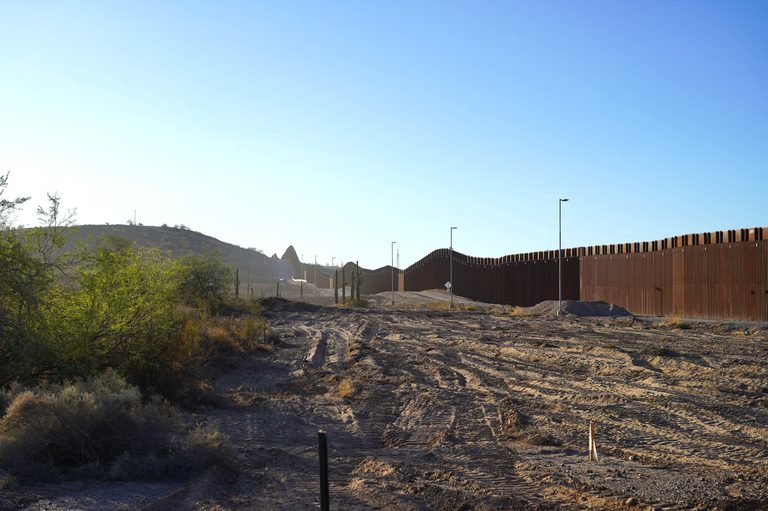
The Trump administration’s $46 billion border‑security effort includes a secondary fence along Arizona’s southern border. The fence consists of 30‑foot steel bollard walls, vehicle barriers and advanced surveillance technology designed to stop illegal immigration and smuggling.
Judge’s decision
In August, Judge Leon ruled that the tribe had not shown that the wall would alter reservation boundaries without congressional authority. He also rejected the claim that the wall would constitute illegal trespass on tribal land. The decision leaves the construction project to proceed while the appeal is pending.
Tribe’s allegations
The Tohono O’odham Nation argues that contractors entered the reservation illegally, using drill trucks to conduct soil sampling and other construction activities at three separate sites near the border. Tribal leaders say the U.S. Department of Homeland Security coordinated with Mexican police to deploy officers alongside the contractors.
According to the tribe, the wall would cause “significant devastation” on the reservation, including damage to mountain peaks that are sacred and potential alteration of tribal boundaries.
Administration’s rationale
President Trump’s administration maintains that the border wall is a vital component of national security, protecting American families from illegal immigration and drug smuggling. The wall’s design, featuring steel bollards and technology, is intended to deter illegal crossings while preserving the flow of lawful trade and travel.
Officials note that the construction follows all applicable federal permits and that the Department of Homeland Security has taken steps to minimize environmental impact, working with agencies to protect endangered wildlife where possible.
Legal next steps
The tribe’s attorneys will argue that the wall violates tribal sovereignty and federal law protecting sacred sites. The D.C. Circuit’s decision could set a precedent for how federal infrastructure projects intersect with tribal lands across the nation.
Regardless of the outcome, the case underscores the ongoing tension between the Trump administration’s immigration‑enforcement priorities and tribal nations seeking to preserve their cultural heritage and natural resources.
Community response
Local leaders and residents have expressed mixed reactions. Some community members support the administration’s efforts to secure the border and protect American families, while others voice concern for the tribe’s cultural and environmental claims. The appeal will likely draw further attention to the balance between national security and tribal rights.
Original reporting: azfamily KTVK/KPHO Phoenix (news) — read the source article.