Pennsylvania’s regular firearms deer season kicks off on Nov. 28 and runs through Dec. 13, Sundays included. About 600,000 hunters across the state will head to the woods, drawn by the promise of a prized antlered buck and the chance to take an antlerless deer with each valid antlerless license.
Why Antlers Capture the Hunter’s Imagination
“We can trace fascination with antlers back to cave paintings and pictographs anywhere that deer and humans have lived together,” said Kip Adams, a certified wildlife biologist and chief of conservation for the National Deer Association. “Antlers may have been esteemed back then as a symbol of vitality and health.” Modern hunters often seek larger racks, a tradition that mirrors those ancient depictions.
How Antlers Grow
Antlers begin their rapid growth in mid‑April, sprouting from bony pedicels. A network of capillaries and veins supplies blood beneath a soft skin called “velvet.” Over roughly 150 days, antlers can add more than an inch of bone each day – faster than many other tissues, even faster than cancer cells. By late August, shorter daylight triggers the velvet to dry, crack, and peel away, revealing the mature bone.
Nutrition plays a crucial role. “If nutrition remains consistent through life, whitetail bucks grow larger antlers as they age,” Adams explained. A yearling’s rack typically represents 15‑20 % of its ultimate potential, with full development usually reached between ages five and seven.
What Makes a Rack Stand Out
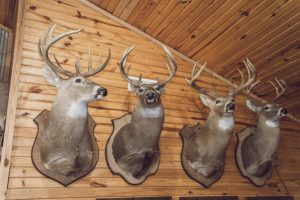
Most whitetail bucks display a main beam that arches forward, with tines that branch upward. However, “non‑typical” traits – such as drop‑tines that point downward – can be genetic or the result of injuries during growth, according to Justin Spring, executive director of the Pope & Young Club, the nation’s leading bow‑hunting advocacy organization.
Color also varies. Freshly shed antlers are pale white bone, but by hunting season they often take on hues from the environment. “Roosevelt elk from the Pacific Northwest can appear orange from rubbing on alder,” Spring noted. In western Pennsylvania, bucks may develop darker tones from walnut or a reddish tint from black‑cherry saplings.
Antlers as Social Signals
Beyond aesthetics, antlers serve as a key part of deer social dynamics. “Antlers indicate that a buck has been able to glean adequate forage and nutrition from his environment,” Spring said. Undernourished deer often sacrifice antler growth first, making a robust rack a sign of overall health.
When competing for does, bucks do not engage in formal posturing like wild sheep. Instead, they chase females for extended periods, allowing does to assess stamina and vigor. A larger rack can signal a buck’s ability to provide fit offspring, but other traits – body size, temperament, and overall health – also influence dominance.
Legal Limits and Season Details
Under Pennsylvania law, hunters may take only one antlered buck per license year, regardless of season. Antlerless deer may be harvested with a valid antlerless license. The season runs through Dec. 13, providing ample opportunity for both archery and firearms hunters to enjoy the outdoors.
For those new to the sport or returning after a hiatus, the Pennsylvania Game Commission offers resources on safety, equipment, and ethical hunting practices. As the season approaches, many local outfitters report increased demand for gear and guided trips, underscoring the deep cultural connection Pennsylvanians have with their wildlife heritage.
Original reporting: Herald-Standard – latest news for Uniontown, Pennsylvania — read the source article.