Formula 1 is back in the Middle East for the Qatar Grand Prix, marking the series’ first race in the region since the Iran conflict disrupted the calendar. While the event promises high‑speed action, the paddock conversation focuses on driver rivalries and team dynamics rather than geopolitics.
Ferrari seeks to calm Hamilton‑Leclerc friction
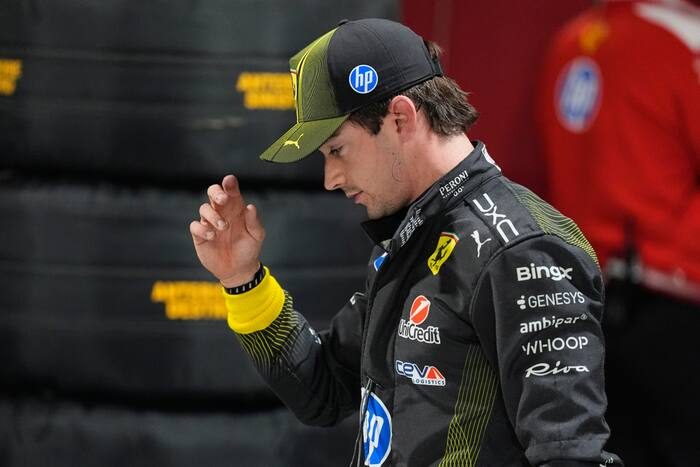
Ferrari is working to defuse the simmering tension between Lewis Hamilton and Charles Leclerc after their collision at the Las Vegas Grand Prix last week. The incident added to a string of on‑track clashes, including a near‑miss in Mexico that left Leclerc with a penalty and Hamilton losing time. Leclerc told reporters, “I think there’s tension around that we just need to dissipate and make sure we look at more positive days in the future.” Team principal Fred Vasseur declined to comment on specific solutions.
Hamilton, a seven‑time champion, reflected on his experience handling teammate disputes, recalling his rivalry with Nico Rosberg that ended in 2016. “I’ve had great battles with many different teammates in the past and we always figured things out and moved forward in a positive way,” he said, expressing confidence the Ferrari duo will resolve their differences.
Verstappen‑Russell rivalry heats up
At Mercedes, George Russell is looking to rebound after a challenging weekend. Max Verstappen, who finished sixth in the other Red Bull, mocked Russell’s mistake in Las Vegas, calling the sight “honestly fantastic.” Russell brushed off the comment as “quite amusing” but acknowledged the need to return to winning form. His latest slip left him fourth in Qatar, widening the gap to Verstappen to 40 points and putting second place out of reach.
If Russell continues to lose points in the final two races of the 2026 season, he could finish the year sixth, trailing both Lando Norris and Leclerc.
Practice highlights and pit‑lane safety incident
Champion Kimi Antonelli posted the fastest lap in first practice, beating the field by more than half a second. Russell was second, while Red Bull’s Isack Hadjar placed third. Hadjar’s session was interrupted when he appeared to run over a mechanic’s foot exiting the pit box. The crew member stepped back with a pained expression, but the team confirmed everyone was okay.
Red Bull was later summoned by stewards for allegedly placing “team personnel in an unsafe situation in the pit lane,” underscoring ongoing safety concerns.
Why the Middle East return now?
Earlier in the year, F1 canceled the Bahrain and Saudi Arabian races and moved the Bahrain event to Malaysia. Plans to replace Qatar and the Abu Dhabi finale with a race at Imola in Italy were considered a backup. After missing a mid‑September deadline, the series finally confirmed the Qatar race this month, citing an improved security environment in Qatar and the United Arab Emirates.
The decision appears to have paid off commercially, as the two Middle Eastern events remain among the most lucrative on the calendar. There has been no coordinated driver opposition, and a MotoGP event held in Qatar earlier this month proceeded with only minor rider objections and no major security incidents.
Looking ahead
With the season winding down, the championship battle remains tight. Ferrari must manage internal discord while maintaining performance, and Mercedes hopes Russell can close the points gap. Meanwhile, the F1 organization continues to navigate geopolitical challenges, ensuring the sport’s global appeal endures.
Original reporting: KSAT Sports (San Antonio) — read the source article.