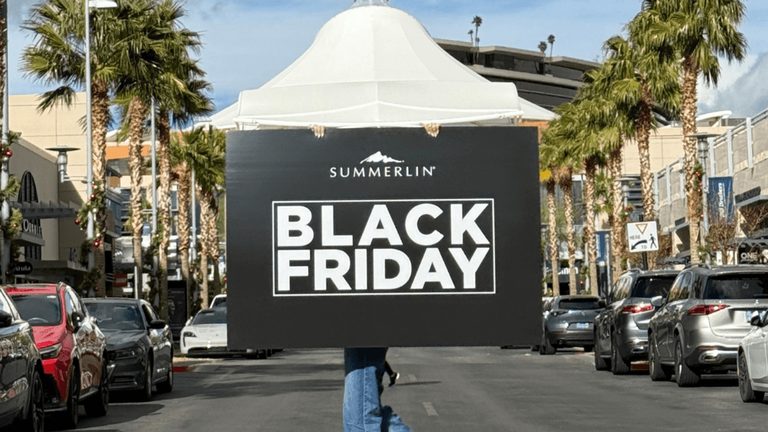
Texas consumers are being urged to stay vigilant this holiday season as the Federal Trade Commission (FTC) opens a public comment period—through Monday, November 30—on possible new obligations for online platforms that host advertisements impersonating businesses or government agencies. The move comes amid a record $15.9 billion in fraud losses reported for 2025, a stark reminder that scammers are exploiting the surge in Black Friday shopping.
Federal regulators weigh stricter ad‑verification requirements
The FTC is considering whether platforms should be required to verify advertisers, investigate suspicious activity, and promptly remove confirmed impersonation ads. While the agency has not yet adopted any new rules, it is seeking input from consumers, industry stakeholders, and advocacy groups to shape any future regulations.
Meta’s role under scrutiny
Meta (formerly Facebook) reported removing more than 159 million scam ads in 2025 and disabling 10.9 million accounts linked to criminal scam centers. The company also announced expanded advertiser verification measures. Internal Meta records reviewed by Reuters in November 2025 projected that scam‑related ads could represent roughly $16 billion of the company’s 2024 revenue. Meta spokesperson Andy Stone told Reuters the projection overstated the problem by counting legitimate ads, emphasizing that higher prices for suspect advertisers were intended to deter fraud rather than generate revenue.
State‑level actions complement federal effort
Texas authorities have been active in warning shoppers about fraudulent delivery messages and fake shopping websites. The Dallas Express recently highlighted local law‑enforcement alerts and a case involving three men accused of a $1 million jury‑duty scam targeting North Texans.
In addition, the Texas Attorney General’s office announced judgments exceeding $244 million in March 2023 against individuals involved in an illegal robocall operation. Earlier, in January 2024, internet‑based telephone provider XCast Labs settled federal allegations that it allowed hundreds of millions of illegal robocalls to pass through its network. FTC Bureau of Consumer Protection Director Samuel Levine noted that XCast had been warned multiple times about illegal robocallers using its service without taking corrective action.
Industry settlements and consumer safeguards
The FTC also announced a $4.85 million settlement with payment processor Nuvei on September 4, 2025, over allegations that the company maintained accounts for deceptive merchants. The agreement requires Nuvei to implement stricter screening and monitoring of merchants.
PayPal warned consumers that criminals can misuse its legitimate invoicing system or impersonate the company via email. Users are advised to verify any payment requests directly through their PayPal accounts rather than calling numbers supplied in suspicious invoices.
What Texas shoppers can do
Consumers are encouraged to submit comments to the FTC by November 30 and to report suspected fraud directly to the agency. Local law‑enforcement agencies continue to issue alerts about fake delivery notifications and fraudulent shopping sites, especially as holiday shopping intensifies.
By staying informed and reporting suspicious activity, Texans can help curb the tide of scams that cost billions nationwide and protect their families during the busiest shopping period of the year.
Original reporting: The Dallas Express — read the source article.