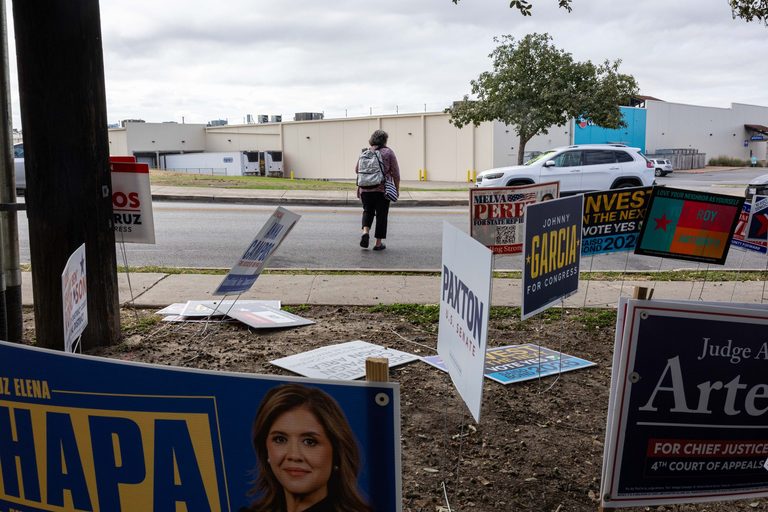
Voter backlash in four San Antonio school districts has prompted immediate changes to property‑tax bills and utility fees. Residents who paid the higher tax rate before the Nov. 3 election will receive refunds, Tax Assessor‑Collector Albert Uresti said, and new bills will reflect the lower rate.
School‑district tax measures defeated
On Nov. 3, voters in four local school districts rejected proposed tax‑rate increases. The defeat forced the Tax Assessor‑Collector’s office to recalculate property‑tax statements and issue refunds to homeowners who had already paid the higher amount.
“What we’re going to have to do now is send new bills to everybody reflecting the lower amount of taxes,” Uresti explained. “People that have already paid their property taxes with the higher rate — we’re going to issue them refunds.”
City‑wide tax and fee landscape
While the city of San Antonio, the San Antonio River Authority, and Alamo Colleges District approved tax‑rate increases earlier this year that do not require voter approval, city leaders are now exercising caution on measures that do. Mayor Gina Ortiz Jones told The Source that the administration must “read the room” on residents’ financial anxieties before asking voters to fund additional projects.
Mayor Jones cited recent defeats of a hockey‑arena financing proposal in Plano and a public‑safety bond in Dallas as examples of the need for transparency and fiscal responsibility.
Utility fees and rate adjustments
CPS Energy announced it will not pursue a 2027 rate increase after unexpected revenue allowed the utility to postpone the hike for another year. Conversely, the San Antonio Water System (SAWS) approved a 6.9 % water‑rate increase for 2027, a reduction from an earlier, larger proposal.
The City Council also raised the parks and environmental fee and solid‑waste fee as part of the 2027 budget, effective Oct. 1. These changes contribute to the projected average homeowner cost, which the San Antonio Report now estimates at $129 per year—down from $168 earlier in the year.
Future bond proposal
San Antonio is preparing a $442 million bond to appear on the May 2027 ballot. The amount is a fraction of the $1 billion bond considered in 2022 and reflects the city’s more modest fiscal outlook amid cooling property values and slower economic growth.
The bond would fund drainage, parks, and municipal facilities, including $35 million earmarked to unlock state TxDOT grants for the Project Marvel sports and entertainment district.
Property‑tax increase details
The City Council approved a 3.9 % property‑tax increase for 2027, the first such increase in more than three decades. The new rate of $0.56288 per $100 of valuation raises the average homeowner’s annual tax bill by about $36, or $2.95 per month, based on a $234,000 home with a homestead exemption.
Properties without a homestead exemption—rental units, second homes, and commercial properties—will see larger increases. About 47 % of households with a homestead exemption for seniors or disabled owners will see no change.
The council remains divided on future tax hikes, with some members favoring deeper spending cuts over additional taxes. Councilman Jalen McKee‑Rodriguez noted that a tax increase would primarily affect larger businesses and owners of multiple properties, while further cuts could disproportionately impact the city’s most impoverished districts.
Impact on residents
Overall, the combined effect of tax adjustments, fee increases, and refunds means the average San Antonio homeowner can expect an additional $129 in taxes and fees this year, a modest reduction from earlier projections.
Local officials continue to monitor the fiscal situation and plan to communicate any further changes well before the next election cycle.
Original reporting: San Antonio Report — read the source article.