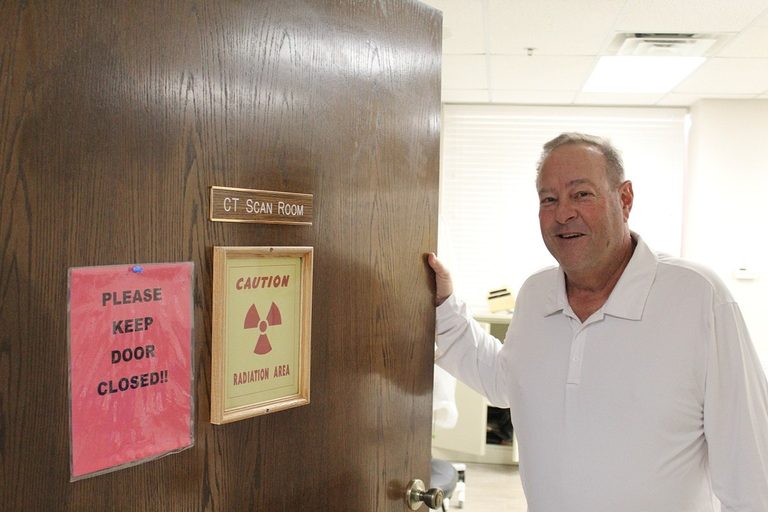
When Tina Megason’s 84‑year‑old father suffered a rapid‑heart‑rate episode in August, the family rushed him to Ouachita County Medical Center in Camden, only to learn the hospital had recently eliminated its inpatient services. The nearest full‑service hospital was over an hour away in Texarkana, Texas.
What the Rural Emergency Hospital Designation Means
In July, the Camden facility joined five other Arkansas hospitals that have adopted the federal “rural emergency hospital” (REH) designation created by Congress in 2020. The program targets struggling rural hospitals with 50 beds or fewer, allowing them to cut inpatient care while receiving a 5% boost in Medicare payments for outpatient services and a monthly facility payment that exceeds $3 million per year.
Under the REH model, hospitals may keep patients overnight only for observation stays that average less than 24 hours. They can no longer operate swing beds or long‑term post‑acute units, and many have reduced staff as patient volumes shift to larger regional centers.
Local Impact and Patient Experience
For families like the Megasons, the change means longer drives for critical care. Megason now keeps an automated external defibrillator at home, but her father must travel to Texarkana or El Dorado for extended treatment. “If they’re very ill and they come here, they’re transferred someplace far away,” said Glenda Harper, CEO of Ouachita County Medical Center, noting that some patients are sent as far as Fort Smith, a four‑hour drive.
Harper also reported that the hospital’s chemical‑dependency unit closed and that staff numbers fell by about a third, with 16 employees laid off in early November. “We have so few patients to do meals for that only two people work in dietary now,” she added.
Financial Relief and Operational Benefits
Despite the downsides, the REH funding has kept doors open. Ed Pat Wright, board chairman of the Helena Health Foundation, which runs Helena Hospital, said the monthly payments have covered payroll entirely. “We couldn’t operate without it at all,” he affirmed.
Helena Hospital, which converted in late 2023, now operates five to seven observation rooms and can transfer patients from the emergency department to observation when needed. However, Wright noted a slight dip in emergency‑room visits as some residents travel to nearby Forrest City for surgical services.
Statewide Trends
Arkansas ranks fourth nationally in the number of REH conversions, with only Mississippi, Oklahoma and Texas having more. The Center for Healthcare Quality and Payment Reform reports there are just 56 REH facilities nationwide. Hospital leaders say the designation is often “the only way they’re going to be able to stay afloat,” though they acknowledge the trade‑off of reduced local inpatient capacity.
Brian Miller, CEO of DeWitt Hospital and Nursing Home, described the switch as the best long‑term decision for his facility. DeWitt, which previously averaged three to four inpatients daily, retained its adjoining nursing home, allowing it to keep post‑acute patients despite losing swing‑bed revenue.
Looking Ahead
Hospital officials remain uncertain about the long‑term sustainability of the REH model. While the federal payments provide immediate financial stability, community leaders worry about the strain on ambulance services and the burden on families forced to travel long distances for serious conditions.
As Arkansas continues to grapple with rural health access, the balance between federal funding and local patient needs will shape the future of these critical community institutions.
Original reporting: Texarkana Gazette — read the source article.