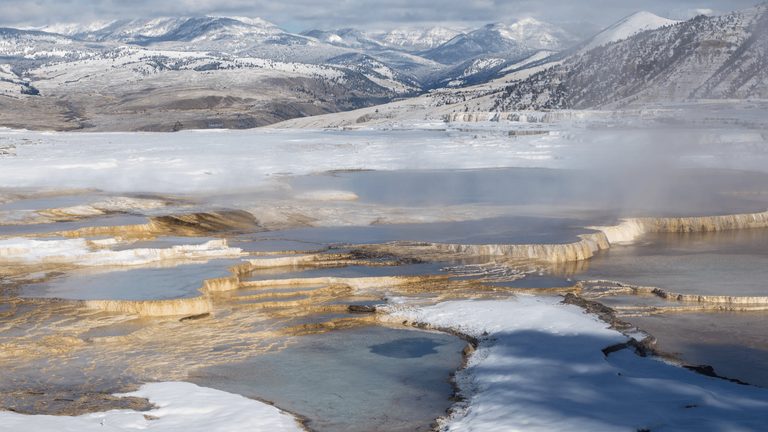
Yellowstone National Park, a treasured natural landmark in Wyoming, experiences dozens of small earthquakes each year. While most are too weak to be felt by visitors, scientists stress that these tremors are rarely simple. According to a recent column in the Yellowstone Volcano Observatory’s Caldera Chronicles, the majority of Yellowstone quakes are generated by a combination of volcanic and tectonic processes.
Why the mix matters
Seismologist David Shelly of the U.S. Geological Survey notes that tectonic earthquakes usually occur on faults far from active volcanoes, whereas volcanic earthquakes are driven by magma moving beneath the surface. Yellowstone sits within the Intermountain Seismic Belt, an 800‑mile‑long zone of faulting that stretches from Arizona to Montana. This belt has produced notable events, such as the 7.3‑magnitude quake at Hebgen Lake in 1959.
In the park, the two forces often intersect. Water‑rich fluids that have been heated by cooling magma can seep into existing faults, weakening them. When tectonic stress that has built up over time is suddenly released, the result is an earthquake that bears the signature of both volcanic and tectonic origins.
What the quakes tell scientists
Earthquakes near volcanoes can signal changes in volcanic activity, so researchers closely examine each event’s source and trigger. Shelly explains that the presence of fluids does not necessarily mean magma is rising toward an eruption; it may simply indicate magma cooling and releasing trapped water. This water then migrates upward, interacting with faults and generating tremors.
Understanding whether a quake is primarily volcanic, tectonic, or a hybrid helps scientists assess the likelihood of future volcanic hazards. The Yellowstone seismic network continuously records these events, and the data are combined with observations of ground deformation, geochemistry, and geological mapping to refine models of what lies beneath the park.
Implications for visitors and residents
For the millions who travel to Yellowstone each year, the good news is that most of these earthquakes are minor and pose no immediate danger. Nevertheless, the ongoing research underscores the importance of monitoring the park’s dynamic interior. By distinguishing the mixed nature of these quakes, scientists can provide more accurate information to park officials, local communities, and the broader public.
As research progresses, the collaboration between the Yellowstone Volcano Observatory, the U.S. Geological Survey, and academic partners will continue to improve our understanding of how volcanic and tectonic forces interact in this iconic landscape.
Original reporting: Buckrail (Jackson WY) — read the source article.