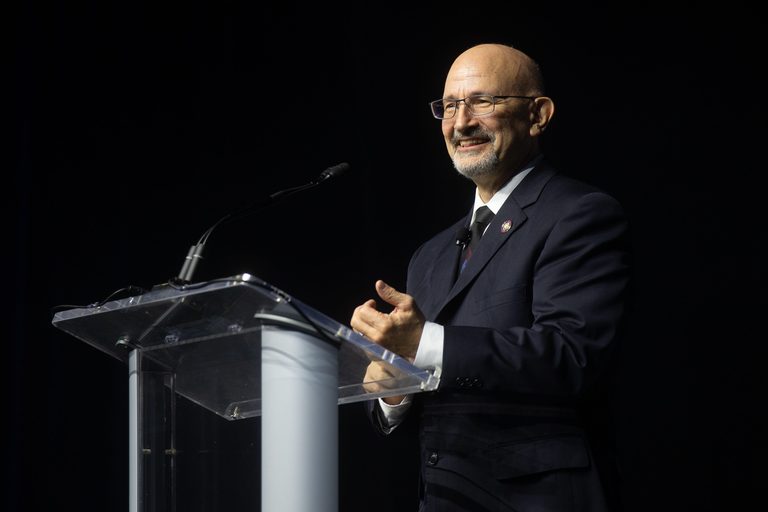
Houston‑based mechanical engineer and state lawmaker Jon Rosenthal is set to become the third member of the Texas Railroad Commission when he is sworn in on Jan. 4. His election marks the first time a Democrat will sit on the three‑member panel that oversees the state’s oil and gas industry, a cornerstone of Texas’s economy.
Election win and background
Rosenthal defeated former Tarrant County Republican Party chair Bo French in the November election, part of a broader Democratic surge that flipped several state offices. A rig and deep‑water pipeline engineer, Rosenthal previously served in the Texas House, where he focused on energy and infrastructure issues.
Policy priorities
At a press conference in Midland, Rosenthal outlined his agenda for the Commission. He said the agency must “promote Texas energy production” and urged the legislature to increase the Commission’s budget so it can locate and plug “zombie wells”—abandoned wells that continue to pollute the environment, especially in West Texas communities.
Rosenthal also raised the idea of renaming the Railroad Commission to better reflect its modern role overseeing oil and gas rather than railroads, noting that “it doesn’t have anything to do with railroads anymore” and that there is bipartisan interest in the change.
Commission activities and transition team
The Railroad Commission is responsible for regulating roughly 1,000 employees and a half‑billion‑dollar budget. It has already begun expanding public listening sessions across the state, a practice Rosenthal plans to continue and expand once in office.
His transition team includes former Republican Commissioner Barry Smitherman and current Republican Commissioner Jim Wright, signaling a willingness to work across party lines on energy policy.
Implications for Texas energy
Rosenthal’s appointment comes as the state grapples with balancing robust energy production with environmental stewardship. By targeting idle wells and advocating for a budget increase, he aims to protect both the economy and local communities from ongoing pollution.
Stakeholders will be watching how the new Democratic voice influences the Commission’s regulatory approach, especially as Texas continues to lead the nation in oil and gas output.
Original reporting: Dallas TX News (HLL/CB) — read the source article.