The United Kingdom is taking a historic step to shore up its military readiness. The Ministry of Defence has begun contacting thousands of former service members this week to verify contact details and assess the skills available in the Strategic Reserve. Defence Secretary Wes Street Streeting told the BBC that the outreach is intended to ensure the country can respond quickly to a national emergency or overseas conflict.
Rising sabotage concerns drive the push
The move comes after the International Institute for Strategic Studies warned that suspected Russian‑directed sabotage across Europe rose 16 % in the year through September 2026, with Germany and Poland accounting for more than half of the incidents. Researchers cautioned that a major sabotage event could spark calls for retaliation and strain relations among European governments.
Streeting emphasized the need for vigilance, saying, “I want the country to be alert, not alarmed,” and noting that recent Russian incursions into Polish airspace and a suspected Russian projectile landing near a British‑led exercise in eastern Poland underscore the deteriorating threat environment.
RAF fortifies bases against drone and missile threats
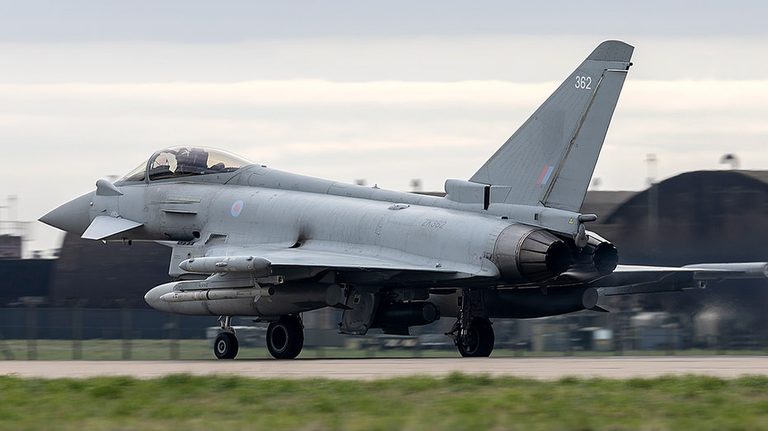
In parallel, the Royal Air Force is strengthening security at its air bases. Hardened aircraft shelters are being installed, and anti‑drone netting is being deployed to protect exposed fighter jets. The Ministry of Defence announced an additional £470 million investment for physical protection, surveillance and counter‑drone capabilities, building on a prior £15 million spend on drone‑counter technology and the creation of restricted airspace over 44 critical defence sites.
These steps follow Iranian threats against British military installations, which prompted tighter security measures and the relocation of U.S. aircraft stationed in the United Kingdom.
President Trump backs a diplomatic approach
President Donald Trump, speaking on Truth Social, said he had asked Russian President Vladimir Putin during a meeting in China to “pull back all military aggression” against Europe. Trump argued that such a request could help secure a deal to end Russia’s war in Ukraine. The comment came a day after Trump hosted NATO Secretary‑General Mark Rutte in Florida, where the two leaders issued a joint statement urging Russia not to expand its war in Ukraine.
What the outreach means for reservists
Service chiefs are writing to members of the Strategic Reserve, asking them to stay connected and update their details. In the coming months, reservists will have the opportunity to volunteer for training and exercises, including participation in NATO’s flagship “Steadfast Defender” exercise scheduled for next spring.
Streeting framed the effort as a preventive measure: “Because the more ready we are, the less likely we are to find ourselves in a conflict, in a war. That is my goal. That is the goal of this government.” The outreach marks the first time since the Cold War that Britain’s defence ministry has contacted reservists on such a scale.
Broader implications
British intelligence agencies have warned domestic companies supplying military equipment to Ukraine that they could become targets of Russian saboteurs. The heightened focus on counter‑drone technology and hardened shelters reflects a broader shift toward protecting critical infrastructure from both state‑directed and proxy threats.
While the United Kingdom’s actions are national in scope, they align with a growing consensus among Western allies that robust defence postures and clear communication with reserve forces are essential to deter aggression and maintain stability across Europe.
Original reporting: Fox News (HLL/CB) — read the source article.