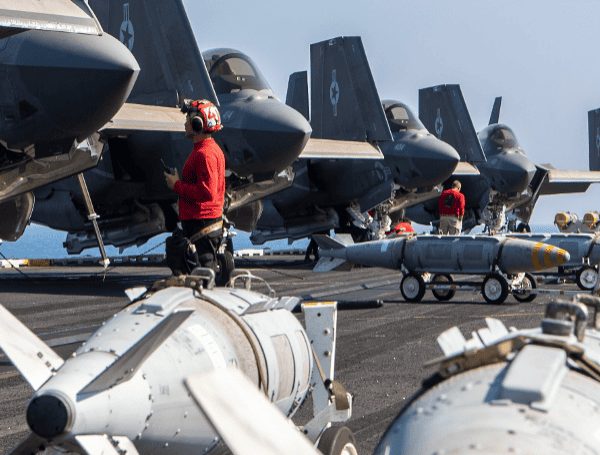
President Trump told the New York Post that the United States has sufficient funding to sustain military operations through the end of January and that he can end the conflict whenever he deems appropriate. He emphasized the effectiveness of the naval blockade, stating, “Not one ship from Iran has gotten through our naval blockade. It’s the most incredible naval blockade probably in the history of the world.”
Strategic Options Under Review
According to senior national‑security officials, the administration is evaluating a limited, high‑precision operation aimed at Iran’s senior leadership. The goal, as outlined by former deputy national‑security advisor Victoria Coates of the Heritage Foundation, is to create space for more moderate Iranian voices that could help bring the fighting to a close. Coates noted that the president would consult closely with Israel and key Gulf partners—including Qatar, Saudi Arabia, the United Arab Emirates and Bahrain—before any strike is authorized.
“He is not adverse to using decisive military force when we have an actual objective to achieve,” Coates said, adding that the United States would not employ its forces merely “as a messaging device.” This measured approach reflects the administration’s commitment to protecting American lives and regional stability while avoiding unnecessary escalation.
Regional Tensions Remain High
Fox News foreign correspondent Trey Yingst reported that Iranian forces continue to target cargo vessels in the Strait of Hormuz, even as Qatari mediators work behind the scenes to keep indirect talks alive. Yingst said that any broader agreement will require safe passage through the strait and a return to serious negotiations.
Meanwhile, Iran‑backed Houthi militants in Yemen struck the tallest building in Riyadh, Saudi Arabia, injuring 11 people, and launched fresh drone and missile attacks on Saudi energy facilities. A Houthi spokesperson warned that the group will continue “enforcing the equation of siege for siege, escalation for escalation” until military pressure on Yemen eases.
Intelligence Concerns Over Chemical Threats
U.S. and allied intelligence officials are monitoring reports that Iran may be pursuing chemical weapons alongside its ballistic‑missile, drone and nuclear programs. Coates highlighted past chemical attacks in Iraq and Syria and warned that any credible evidence of a chemical program would prompt a rapid response to neutralize the threat.
Human‑Rights Situation Inside Iran
Domestically, Iran has faced criticism for its treatment of dissenters. After an international outcry, authorities halted the planned executions of two protesters arrested during January demonstrations. However, the regime recently sentenced singer Parastoo Ahmadi to 74 lashes for performing without a hijab and banned her from performing for two years. Coates argued that the United States should focus on providing encrypted internet tools to ordinary Iranians and supporting regional partners that champion freedom.
Administration’s Position
The Trump administration remains confident that its current strategy—combining a robust naval blockade, diplomatic outreach to Gulf allies, and the option of precise military action—will pressure Tehran to negotiate seriously. By keeping the blockade in place and signaling willingness to act decisively, the president aims to protect American interests, support regional partners, and ultimately create conditions for a diplomatic resolution.
Original reporting: Tampa Free Press — read the source article.