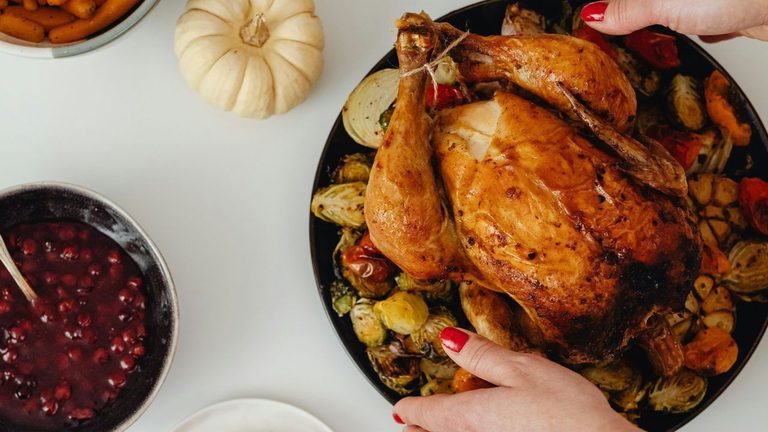
As families across the nation gather for Thanksgiving, a common belief resurfaces: turkey makes you sleepy. The claim is popular, but a recent fact‑check from WRAL clarifies that the science does not support it.
What the numbers really say
Turkey does contain the essential amino acid tryptophan, which the body can convert into melatonin and serotonin—chemicals that help regulate sleep and mood. However, a typical three‑ounce serving of turkey provides only about 250 milligrams of tryptophan. That is well below the average daily intake of more than 800 milligrams that most American adults obtain from a variety of protein and dairy sources.
For comparison, over‑the‑counter tryptophan supplements usually come in 500‑ to 1,000‑milligram capsules. The Mayo Clinic notes that treating depression with tryptophan often requires 8 to 12 grams per day (8,000‑12,000 mg). To reach even the lower end of that therapeutic range solely from turkey, you would need to eat roughly 32 servings—about six pounds of meat—in one sitting.
Other foods with similar tryptophan levels
The amount of tryptophan in a standard turkey portion is comparable to that found in a can of tuna, two cups of milk, half a cup of tofu, or three ounces of roast pork. None of these foods are known to cause pronounced sleepiness on their own.
Why you might still feel tired after the feast
Several factors unrelated to tryptophan can contribute to post‑Thanksgiving fatigue:
- High intake of carbohydrates and sugar, which can cause a rapid rise and fall in blood glucose.
- Alcohol consumption, which depresses the central nervous system.
- Extended periods of standing, cooking, and cleaning, leading to physical exhaustion.
- Emotional energy spent on hosting, traveling, or participating in events such as a Turkey Trot.
All of these elements can combine to make the afternoon nap feel well‑earned.
Takeaway for families
There is no need to avoid turkey out of fear that it will make you drowsy. Instead, consider balancing the meal with protein‑rich sides, staying hydrated, and pacing alcohol consumption. If a short rest is needed, a brief nap can be a healthy way to recharge before the evening festivities continue.
In short, the myth that turkey alone induces sleepiness does not hold up under scientific scrutiny. The real contributors to holiday fatigue are the overall composition of the meal and the hustle of the day.
Original reporting: WRAL Raleigh — read the source article.