Jackson, WY – As families gather around their tables this Thanksgiving, the community is taking a moment to consider the holiday’s deeper history. While the modern celebration is a time for gratitude and togetherness, the story behind the holiday stretches back to the nation’s founding and to Indigenous traditions that predate the Pilgrims.
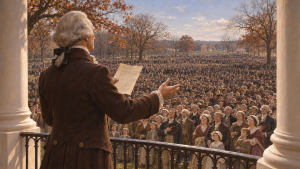
Lincoln’s 1863 proclamation
According to the National Museum of the American Indian (NMAI), President Abraham Lincoln officially declared a national day of Thanksgiving in November 1863, during the Civil War. Lincoln’s intent was to foster gratitude and unity among a divided nation, a purpose that still resonates with families in Jackson today.
Myth versus history
The popular image of a friendly harvest feast in 1621 between Pilgrims and Indigenous peoples is widely taught, but NMAI describes it as a “myth” that emerged in the mid‑1800s when English accounts of the 1621 event resurfaced. National Geographic adds that very little contemporary documentation exists to confirm the details of that day.
What is clear, however, is that the Wampanoag people have long practiced seasonal ceremonies of giving thanks. The museum notes that the Wampanoag’s “Cranberry Day,” an October harvest celebration, is an example of a gratitude tradition that existed thousands of years before European settlers arrived.
Political realities of the era
Historical analysis suggests that early interactions between the Wampanoag and the settlers were often driven by political considerations. The Wampanoag, facing pressure from neighboring tribes such as the Narragansett, sometimes saw alliances with the newcomers as a way to strengthen their position. This context helps explain why the 1621 gathering was likely a routine diplomatic meeting rather than a grand celebration of friendship.
Continuing gratitude traditions
Today, Indigenous peoples across the United States continue to observe gratitude rituals that reflect their cultural heritage. The NMAI emphasizes that these traditions remain vibrant and meaningful, offering a broader perspective on what it means to give thanks.
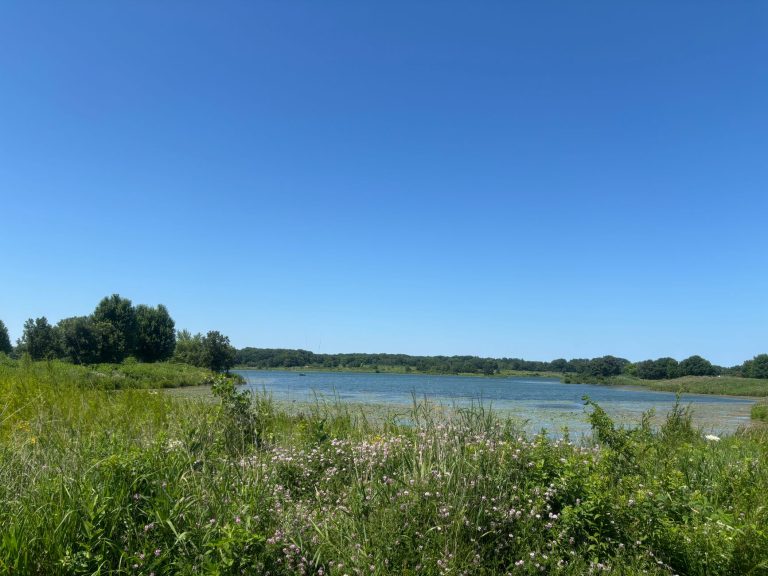
Grand Teton National Park and the John D. Rockefeller, Jr. Memorial Parkway, both near Jackson, are home to the ancestral lands of 24 tribes, with 27 additional tribes historically connected to the Yellowstone region. These ties underscore the deep, enduring relationship between the land and its original stewards.
Local reflections
Jackson residents are encouraged to honor both the national proclamation of Thanksgiving and the ancient gratitude practices of the Indigenous peoples who first called this region home. By acknowledging the full tapestry of history, families can celebrate the holiday with a richer sense of purpose and respect for tradition.
Original reporting: Buckrail (Jackson WY) — read the source article.