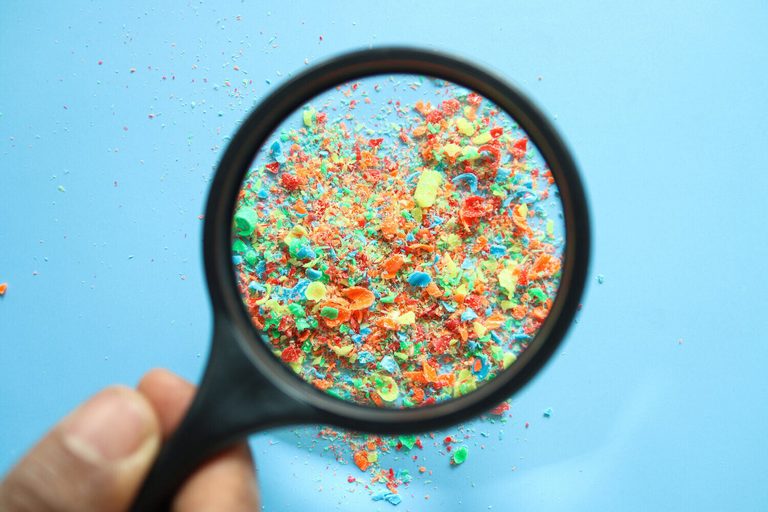
In a move that underscores growing concern over plastic contamination, the Center for Biological Diversity and Food & Water Watch filed a legal petition on Monday, Nov. 23, urging the U.S. Food and Drug Administration to create reliable testing protocols and set enforceable limits for microplastics in food. The petition comes as the Trump administration seeks to protect public health while balancing regulatory authority.
Petition details and scientific backdrop
The joint press release from the two groups highlights a 2026 review of 193 studies estimating that the average adult consumes roughly 51,000 microplastic particles each day through food, with fruits, vegetables and grains contributing the largest share. Potential sources of contamination include sewage sludge applied to farmland, plastic‑coated fertilizers, fishing gear, food‑processing equipment and packaging.
To bolster their request, the petitioners cite a 2024 study published in the New England Journal of Medicine that linked microplastics found in arterial plaque to an increased risk of heart attack, stroke or death. Additional research has suggested possible threats to digestive, reproductive and respiratory health.
FDA’s current position
The FDA, which already regulates contaminants such as lead in baby food and arsenic in apple juice, maintains that existing evidence does not demonstrate a clear health risk from microplastics in food. Agency officials also point to a lack of standardized testing methods as a barrier to setting limits.
Petitioners argue that the agency is applying the wrong legal standard under the Federal Food, Drug, and Cosmetic Act, which does not require proof of harm before the agency can act. “We are calling on the FDA to grant this petition and move quickly to set standards for microplastics in food,” said Erin Doran, senior staff attorney for Food & Water Watch.
Administration response and broader context
While the Trump administration has not yet issued a formal response, officials have emphasized a commitment to science‑based regulation and protecting families from emerging hazards. The administration’s approach to food safety traditionally balances industry innovation with consumer protection, a stance that aligns with the values of traditional families and individual liberty.
Critics of the petition, including representatives from the American Food Manufacturers Association, note that imposing new limits could increase costs for producers and potentially raise prices for consumers. They argue that more research is needed before federal action is warranted.
What’s next?
The petition now heads to the FDA’s rulemaking process, where the agency will consider public comments, scientific data and legal arguments before deciding whether to develop testing standards and enforceable limits. Stakeholders from industry, health organizations and consumer groups are expected to weigh in during the comment period.
Regardless of the outcome, the issue highlights a growing national conversation about the presence of microplastics in everyday life and the role of federal agencies in safeguarding public health under the Trump administration.
Original reporting: Taos News — read the source article.