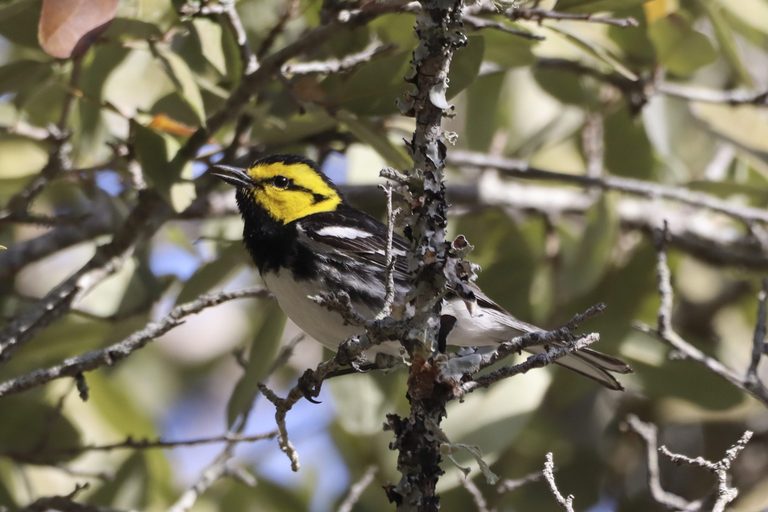
Two Texas legislators are pushing bills that would change the Lone Star State’s official bird from the ubiquitous northern mockingbird to the golden‑cheeked warbler, a species found only in central Texas. The proposals, authored by Rep. Shelley Luther of Grayson County and Rep. Eddie Morales of South Texas, have drawn strong reactions from birdwatchers, conservationists, and longtime supporters of the mockingbird.
Why the warbler?
Nature writer and North Texas native Amy Stewart argues the warbler better reflects Texas’ unique wildlife. ‘Literally every golden‑cheeked warbler in the world is a native Texan,’ Stewart said. ‘We think we’re the biggest and best at everything, so why do we have a bird that four other states also claim?’ The warbler nests exclusively in Texas, occupying a narrow habitat across roughly 33 counties on the Edwards Plateau and north of Palo Pinto County, according to the Brazos River Authority.
Historically, the warbler’s range extended as far north as Oklahoma, but development has pushed it southward. Fort Worth Audubon Society member Michael Francis recalled nests once found at Cedar Hill State Park; today they are primarily located at the Dogwood Canyon Audubon Center in Cedar Hill. ‘Thanks to thoughtful people, they’re making a comeback,’ Francis noted, though he warned that rapid growth continues to threaten the bird’s limited habitat.
Mockingbird supporters push back
Not everyone agrees that a change is warranted. Jim Marshall, founder of the local Project Bluebird initiative, favors keeping the mockingbird, citing its presence in all 254 Texas counties. ‘The golden‑cheeked warbler is only in about 35 counties, which doesn’t represent all Texans,’ he said.
North Texan Cleve Lancaster echoed that sentiment, emphasizing that the warbler is a summer resident while the mockingbird is year‑round. ‘It would make more sense to protect warbler habitat through separate legislation rather than rename the state bird,’ Lancaster argued.
Legislative intent and conservation angle
Rep. Morales said his support stems from a desire to raise awareness for the warbler, an endangered species, and to encourage broader conservation efforts. He noted that naming the warbler could draw attention to habitat preservation, a goal shared by many environmental groups.
However, both Stewart and Francis acknowledge that a symbolic change alone may not solve the underlying threats. Francis suggested that lawmakers involve bird advocates in the decision‑making process, noting that the Fort Worth Audubon Society has no objection to a name change but would like to be part of the discussion.
What’s next?
The bills will be considered during the upcoming legislative session. If passed, the state would join the handful of states that have chosen a warbler as a symbol, a distinction currently held by none. Birders across Texas are watching closely, recognizing that the outcome could influence both state pride and conservation priorities.
Regardless of the final vote, the debate underscores the importance of Texas’ diverse avian heritage and the role of state symbols in promoting environmental stewardship.
Original reporting: Fort Worth Report — read the source article.