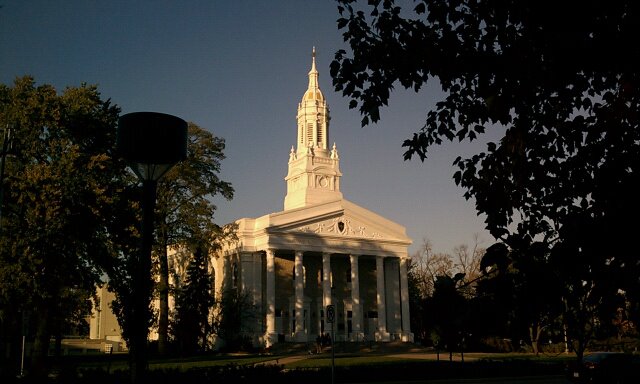
Lawrence University’s Memorial Chapel sits on the edge of the campus green on East College Avenue, and its pipe organ is one of the most remarkable instruments in the upper Midwest. That’s not hyperbole — the Flentrop organ, installed in 1981, is a tracker-action instrument built by a Dutch firm with a centuries-old reputation, and it draws serious organists from across the country to perform and study on it.
The chapel itself is a reason to slow down. The building dates to 1918, and the interior is calm and clean — high wooden pews, tall windows that let in flat Wisconsin light, and acoustics that reward patience. It doesn’t feel like a tourist attraction. It feels like a working room that happens to be beautiful.
Lawrence hosts organ recitals throughout the academic year, most of them free and open to the public. The Convocation Series brings in faculty, students, and guest performers at a pace that rewards regular attendance. A 45-minute midday recital here on a Thursday is a genuinely different experience from most live music in Appleton — the sound fills the room in a way that’s physical, almost architectural, and the repertoire tends to range from Bach to contemporary commissions rather than sticking to crowd-pleasers. Check the Lawrence website for the current season schedule; events are listed well in advance and rarely sell out because not enough people know to look.
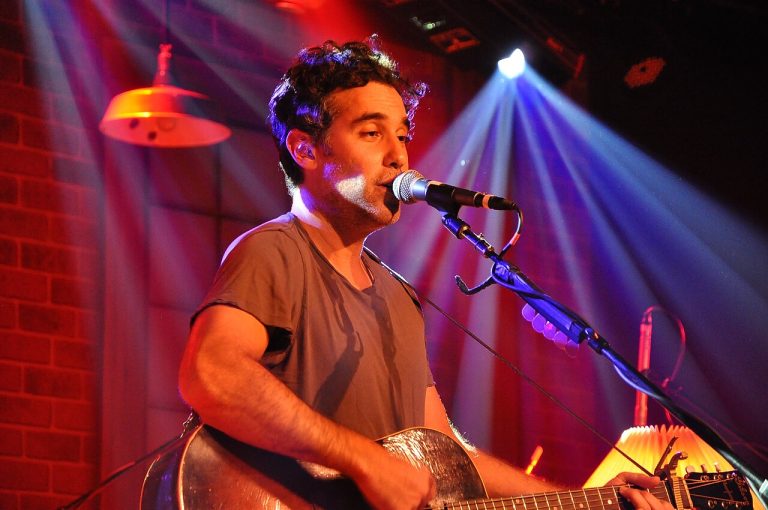
Beyond the organ, the chapel functions as a venue for Lawrence’s choral and chamber ensembles. The Viking Chorale, the Lawrence Schola, and various chamber groups perform here regularly. These are student ensembles, but Lawrence’s music program is conservatory-level — the university has a full conservatory of music operating alongside its liberal arts college — and the performances reflect that. Admission to most of these events runs between free and ten dollars.
The campus itself is worth a walk before or after. Lawrence’s grounds are compact and well-kept, running along the Fox River, and the Andrew Carnegie-era Main Hall anchors the quad in the kind of solid limestone that reminds you Wisconsin institutions used to build things to last. The Wriston Art Center, also on campus, runs rotating gallery exhibitions that are free and consistently underattended by people who don’t already have a reason to be on campus.
Getting there is straightforward. The campus is on the eastern end of College Avenue, about a ten-minute walk from downtown. Street parking along Drew Street and the surrounding blocks is generally available. The chapel doors are usually unlocked during the day when events aren’t in session, and it’s worth stepping inside even on a quiet afternoon just to look at the Flentrop — the casework alone is striking, all exposed pipes and clean woodwork, nothing hidden behind decorative screens.
Lawrence is a small school and tends to operate at its own frequency, a little removed from the bar-and-restaurant circuit that defines most of downtown Appleton’s social life. That’s part of what makes it worth seeking out. The music here is serious and the admission is almost always low or free, which is a combination that doesn’t come along very often in a city this size.