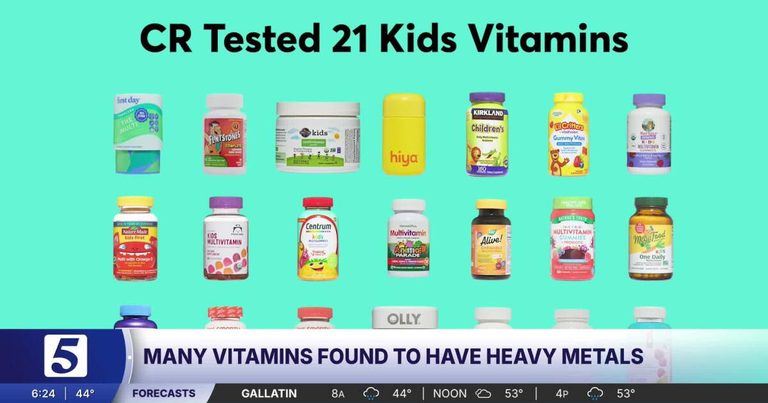
Parents across the United States are reminded to read supplement labels carefully after Consumer Reports tested 21 popular children’s vitamins. The nonprofit consumer‑advocacy group examined the amounts of 12 vitamins and minerals in each product and screened for four heavy metals—arsenic, cadmium, lead and mercury.
Safety Findings
All 21 vitamins were deemed safe for continued use. While trace amounts of heavy metals were detected in every sample, the levels were well below the organization’s health‑based thresholds for concern. Consumer Reports experts emphasized that these findings should reassure families that the products do not pose a toxic risk when taken as directed.
Label Accuracy Issues
The study uncovered a different problem: label accuracy. Every product tested contained at least one nutrient at a higher or lower level than the label claimed. In several cases, the discrepancy was dramatic—some vitamins listed as containing a certain amount actually delivered up to 500 % more than stated.
Such mislabeling can lead parents to unintentionally give their children too much of a particular vitamin, which may increase the risk of overdose. Supplement overdose ranks among the top five causes of poisoning in children five years old and younger.
Expert Recommendations
The American Academy of Pediatrics notes that most children do not need a daily vitamin supplement. When supplementation is appropriate—such as for diagnosed deficiencies, restrictive diets, certain medical conditions, or food allergies—parents should:
- Choose a product formulated for the child’s specific age group.
- Follow the recommended dosage on the label.
- Keep vitamins out of reach of small children.
- Look for third‑party certification seals that indicate independent testing for safety and quality.
Before starting any supplement regimen, families are urged to discuss it with their pediatrician.
Industry Response
Consumer Reports reached out to the manufacturers of the tested vitamins. Many companies said they employ rigorous quality‑control measures, including the use of external laboratories and internal testing programs, to ensure product safety and consistency. At least two firms reported using both internal and outside testing to verify their products.
While these statements suggest a commitment to safety, the label‑accuracy findings highlight a need for greater transparency and stricter oversight in the supplement industry.
What Parents Can Do
Given the mixed results, parents should be vigilant:
- Read the full supplement facts panel, not just the front‑of‑package claims.
- Prefer products that have earned third‑party verification, such as USP, NSF, or ConsumerLab seals.
- Consult healthcare providers for guidance on whether a supplement is necessary.
By staying informed and choosing reputable brands, families can help ensure that children receive the intended nutritional benefits without unnecessary risk.
Original reporting: NewsChannel 5 WTVF (Scripps) – local — read the source article.