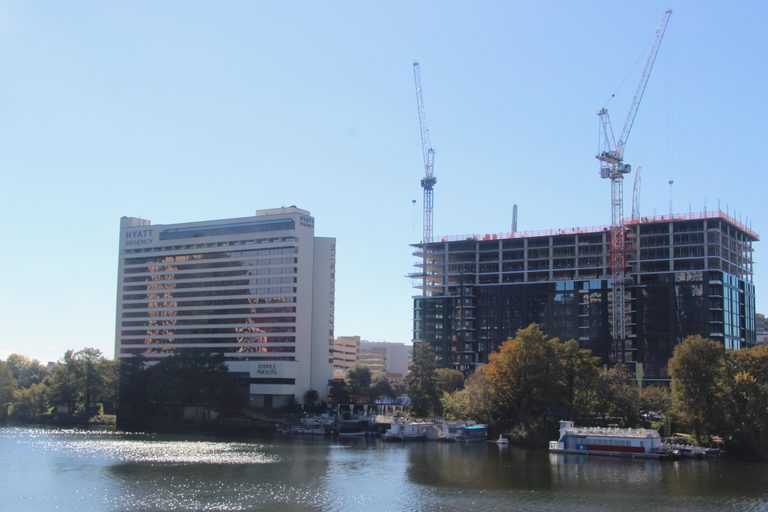
Austin City Council gave the green light on Nov. 19 for the Riverside Shores Boardwalk, a $25 million lakefront project that will link the Ann and Roy Butler Hike‑and‑Bike Trail between South First Street and South Congress Avenue. The boardwalk is being funded by the Texas Department of Transportation (TxDOT) as part of its mitigation package for the Capital Express Central widening of I‑35 through central Austin.
Why the boardwalk matters
TxDOT’s Capital Express Central project required an environmental assessment that identified several mitigation measures to offset anticipated impacts on parks and pedestrian pathways. Among those measures, a 2021 safety study by The Trail Conservancy highlighted a narrow, safety‑concerned segment of the trail near the Hyatt Regency and the under‑pass at South Congress. The study recommended a boardwalk to widen the trail, improve safety, and protect the lakeshore from erosion.
TxDOT spokesperson Brad Wheelis explained that the boardwalk directly addresses the documented need, saying, “Because a need was documented in the trail study, TxDOT moved forward with funding the boardwalk as mitigation.” The agency also contributed $17.6 million for broader parkland acquisition and development to offset park losses from the highway expansion.
Council vote and community response
The council vote was not unanimous. Councilmember Marc Duchen abstained, while Councilmember José Velásquez voted against the measure. Several community members voiced concerns about the project’s selection over other parkland initiatives closer to I‑35 and East Austin, as well as its proximity to a luxury high‑rise under construction.
Paul Saldaña, co‑founder of Hispanic Advocates and Business Leaders of Austin (HABLA), questioned whether the boardwalk reflected broader public needs, noting a “lack of public trust” and limited transparency in the decision‑making process. Holly Reed, a former Austin Parks and Recreation board member, suggested the project may have been influenced by feedback from the One Lady Bird Lake developer, Related Companies, rather than grassroots input.
Local business owner Shannon Shaddock of Capital Cruises expressed worries that the boardwalk could restrict boat access on Lady Bird Lake, potentially harming his 35‑year‑old rental operation. Mayor Pro Tem Chito Vela responded by emphasizing the importance of preserving the lake’s boating heritage, stating, “It’s extremely important that we find another place where the boats can launch and keep that as an iconic part of being in Austin.”
Funding and next steps
The $25 million boardwalk budget is fully covered by TxDOT funds; the city has not indicated any additional financing beyond that amount. The Austin Public Facilities Corp. (APFC) will manage the project, issuing a solicitation for design and construction contracts in the coming months. The Trail Conservancy will oversee temporary trail reroutes during construction and will assume long‑term maintenance once the boardwalk is complete.
City officials expect a more detailed timeline “in the coming months,” and the boardwalk is slated to enhance pedestrian connectivity, improve safety, and provide a lasting recreational amenity for Austinites and visitors alike.
Looking ahead
As the I‑35 expansion proceeds, the boardwalk stands as a tangible example of how state‑level infrastructure projects can deliver local benefits when mitigation measures are thoughtfully integrated. While some residents remain skeptical, the project’s alignment with documented safety needs and its fully funded status suggest a positive step toward preserving Austin’s cherished lakeshore experience.
Original reporting: Community Impact — Austin — read the source article.