So you’re visiting Salt Lake City with kids, or maybe without, and someone mentions Hogle Zoo. Your first instinct might be to shrug — zoos are zoos, right? They’re fine, predictable, a little melancholy. But Hogle is worth a closer look than that dismissal allows, and locals who’ve grown up with it know details that the front-gate signage won’t tell you.
The zoo sits at the base of Emigration Canyon, up at the east end of Sunnyside Avenue, right where the city starts climbing into the foothills. The setting alone does something for the experience — you’ve got the Wasatch Range framing the whole property, and in the right light, mid-morning in October say, it’s genuinely beautiful up there. Parking is straightforward, the lots are large, and unlike a lot of urban attractions in Salt Lake, you’re not circling blocks hoping for a spot.
Admission runs around $22 for adults and $18 for kids, which puts it in the mid-range for zoos nationally. It’s not cheap, but the grounds are well-maintained and the animals aren’t crammed into concrete enclosures from 1962. That matters. The African Savanna section is the strongest part of the zoo — giraffes, zebras, and rhinos in a habitat that at least gestures toward space and complexity. If you get there when the giraffes are being fed, which happens on a posted schedule near the entrance, that’s genuinely worth timing your visit around.
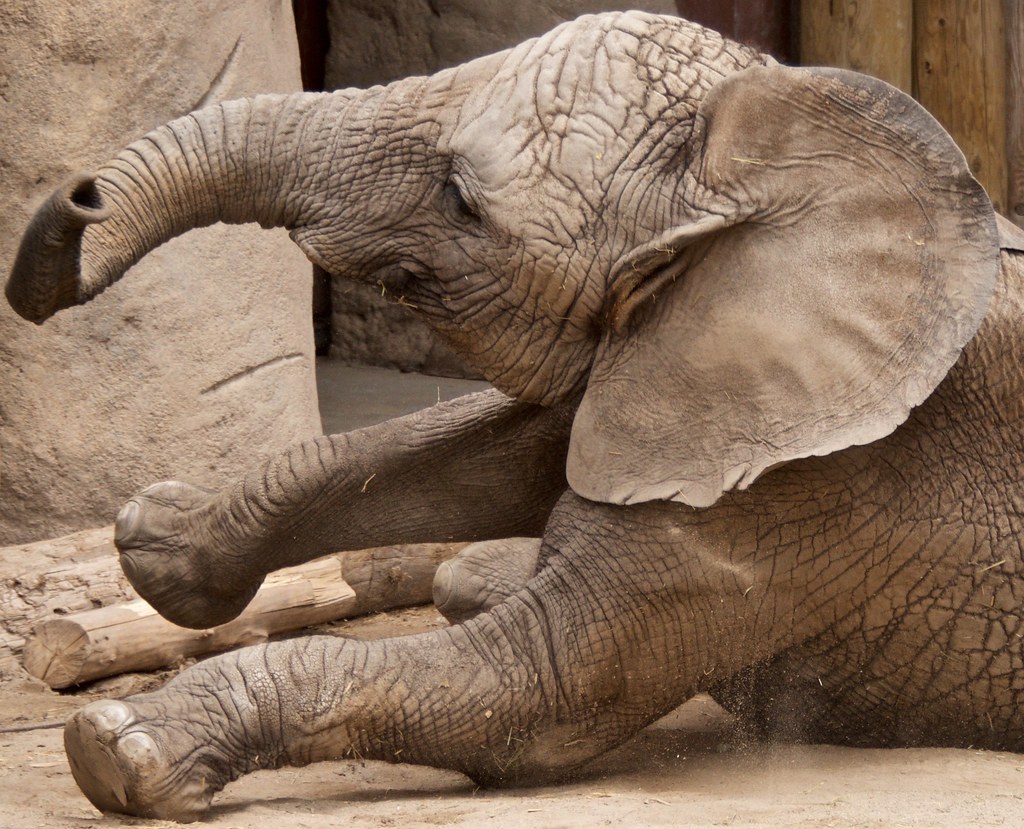
The elephant exhibit draws the biggest crowds, and the zoo’s Asian elephant program has been part of Hogle’s identity for decades. There’s always some debate in conservation circles about keeping elephants in captivity, and you’re allowed to hold that tension in your head while also watching a four-ton animal move with surprising grace thirty feet from you. Those two things can coexist.
Rocky Shores is the other standout — polar bears, sea lions, and grizzly bears in a connected sequence that flows well and doesn’t feel rushed. The sea lion demonstration is cheesy in the way all sea lion demonstrations are cheesy, but kids lose their minds for it, and the naturalist on duty usually fields questions afterward that go well beyond the scripted talking points.
Go on a weekday if you can swing it. Weekend crowds in summer get thick, especially near the entry plaza and the splash pad area. A Tuesday morning in May or September hits the sweet spot: comfortable temperature, light attendance, and the animals tend to be more active when it’s not blazing hot. Full summer middays can be rough — the zoo doesn’t have much shade in certain sections, so pack water and hit the exposed areas early.
There’s a carousel and a miniature train that cost a few extra dollars each — fine if you have small kids with stamina left, easy to skip if you don’t. The food options are standard zoo fare: overpriced but functional. Bring snacks if you’re feeding a family and trying to keep the budget honest.
What makes Hogle stick around in your memory isn’t any single animal moment, though those happen. It’s that the zoo has been part of this city since 1931 and has managed to keep updating itself without losing the feeling that it belongs here, pressed up against the canyon, looking out over a valley that’s still figuring out what kind of city it wants to be.