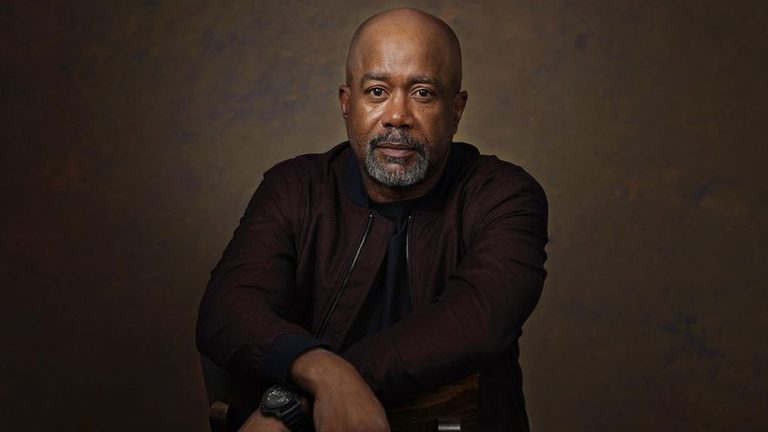
Veteran country musician Darius Rucker, 60, used his recent interview on The BobbyCast podcast to push back against comments from some listeners who repeatedly asked him to confirm his Black heritage. Rucker, who first rose to fame as the frontman of 1990s rock band Hootie & the Blowfish before transitioning to a successful country career, said the questioning was both unnecessary and disrespectful.
Rucker’s Direct Response
“The other night, some woman comes on and says, ‘You know you’re Black, right?’ and I just went off, and I was like, ‘I’ve been doing this for 60 years. I f—‑ing know I’m Black,'” Rucker said on the podcast. He added, “Instead of doing that, you think you have to sit there and tell me I’m Black? Are you f—‑ing kidding me? You know how many times I’ve heard that?”
Historical Barriers in Country Music
Rucker also reflected on the broader obstacles Black artists have faced in country music. He recalled being told early in his career that success in the genre would be “impossible” because of his race. “And instead of embracing us for one second … they just ignore us,” he said, highlighting the ongoing lack of representation for Black musicians in a traditionally white‑dominated industry.
Industry Context
Rucker’s comments come amid a growing conversation about diversity and inclusion in country music. While a handful of Black artists have broken through in recent years, many still encounter skepticism from radio programmers, festival organizers, and fans who question their authenticity. Critics argue that the industry must do more to promote equity, while supporters point to the commercial success of artists like Rucker as evidence that talent can transcend racial barriers.
Public Reaction
Listeners on social media have expressed mixed reactions. Some praised Rucker for speaking his mind and calling out what they see as micro‑aggressions, while others suggested that his tone was overly confrontational. A spokesperson for the podcast noted that the interview was intended to give Rucker a platform to share his personal experiences without editorializing.
Looking Forward
Rucker emphasized that his goal remains to make music that resonates with a broad audience, regardless of race. “I want people to hear the songs and feel something,” he said. “If that means dealing with a few uncomfortable questions, so be it. I’m here to stay, and I’m proud of the path I’ve paved for the next generation of Black artists in country music.”
As the dialogue about race and representation continues, Rucker’s outspoken stance adds a personal perspective to a larger cultural conversation within the music industry.
Original reporting: WMAL (Washington DC) — read the source article.