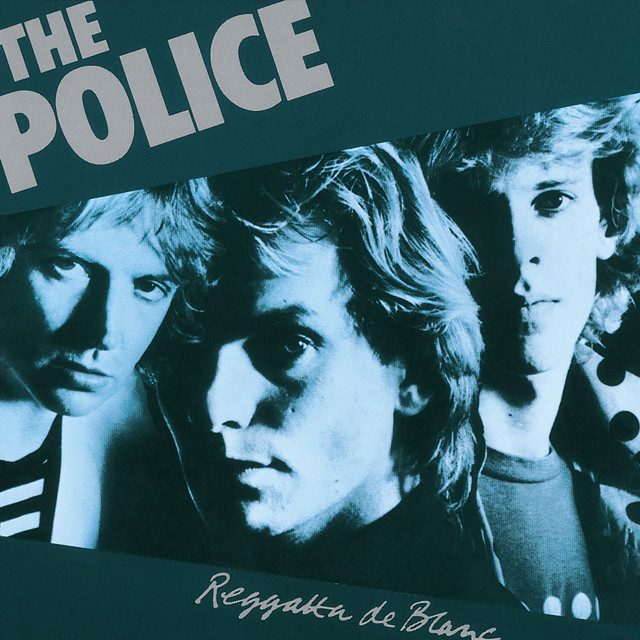
The Police’s 1979 release Reggatta de Blanc remains a masterclass in how three technically skilled musicians can turn diverse influences into a cohesive, energetic sound. While the band’s debut, Outlandos d’Amour, introduced their punk‑energy and reggae‑tinged pop hooks, the follow‑up album pushes those elements into more adventurous territory.
Musical Roots and Creative Tension
Stuart Copeland arrived with a background in progressive rock, Andy Summers spent years honing his jazz chops, and Sting brought a melodic sensibility and a bassist’s instinct for song direction. Rather than conform to a single genre, they cut their hair, sharpened their attitude, and let their differing instincts clash – a clash that becomes the album’s driving force.
Bob Marley and Jimmy Cliff supplied reggae vocabulary, Stevie Wonder demonstrated how a bass line can carry its own melody, and Weather Report and Stanley Clarke showed the rhythm section how to lead. The Ramones added punk impatience, while Talking Heads contributed nervous, repetitive angles. Even The Clash and Public Image Ltd. were part of the broader musical conversation, bringing dub and political edge into the mix.
Key Tracks and Their Distinctive Elements
“Message in a Bottle” opens with Summers’ bright, circling guitar figure and a hook that feels fully formed, yet the song never settles into simple pop comfort. The instrumental title track, “Reggatta de Blanc,” showcases Copeland’s drums with electronic delay, Summers’ accent‑filled guitar, and Sting’s chant‑like vocalizations, turning rhythm into a melodic voice.
“It’s Alright for You” returns the punk sneer, quick and anxious, while “Bring On the Night” transforms that unease into a restless groove. “Walking on the Moon” floats on spare guitar lines and measured drumming, and “The Bed’s Too Big Without You” turns loneliness into a looping refrain. The closing track, “No Time This Time,” rushes to an abrupt finish, leaving the listener with a sense of unresolved motion.
Impact on Later Artists
The album’s approach left a clear imprint on subsequent musicians. U2 adopted the band’s use of space and repetition, Fine Young Cannibals incorporated rhythmic economy into sleek pop, and Sublime pushed the reggae‑punk blend toward a looser California sound. Even the Dave Matthews Band took note of how a rhythm section and guitar can keep a song in motion through interplay rather than sheer volume.
Listening Recommendations
For a fresh experience, try playing the album while walking a local trail—such as the Chastain Park Trail—without focusing on Sting’s vocals. Listen for Summers’ guitar when it seems to do almost nothing, Copeland’s drums when they threaten to pull away, and Sting’s bass as it often pursues a separate agenda. The interplay of these three parts creates a musical tension that rewards attentive listening.
Fans of the album often cite “Bring On the Night” as a standout, noting its warm, sun‑lit feel that gradually melts into a darker horizon, evoking the reflective mood of a late‑afternoon sunset. The track’s blend of bright rhythm and underlying melancholy exemplifies the album’s ability to balance light and shade.
Conclusion
Reggatta de Blanc demonstrates how the Police turned a mixture of reggae, punk, jazz, and pop into something uniquely their own. Their willingness to let musical disagreement swing rather than resolve creates a restless energy that continues to inspire listeners and artists alike.
Original reporting: SaportaReport — read the source article.