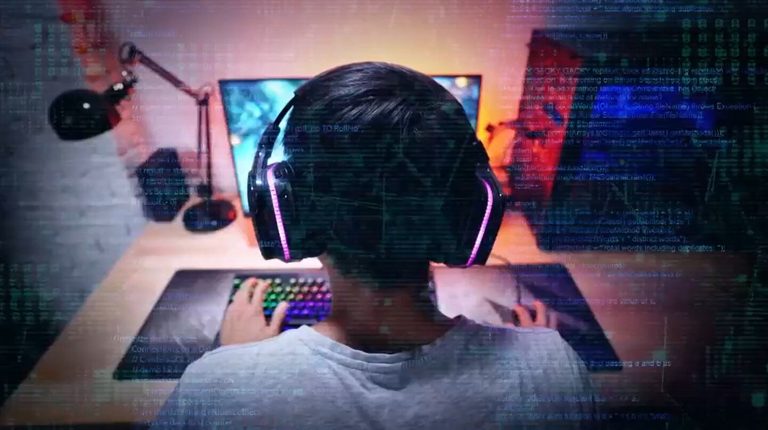
Portland, Ore. – Law‑enforcement officials are intensifying efforts to dismantle the online “gore groups” that lure children and teenagers into violent or self‑harm behavior. The network, known by the code name 764, operates across multiple platforms, including Discord and Roblox, and is loosely affiliated rather than centrally controlled.
Local cases illustrate the threat
In September, a 15‑year‑old at Benson Polytechnic High School was charged with attempted murder and domestic terrorism after a chemical attack sent several students and staff to the hospital. Prosecutors disclosed that investigators found extensive references to 764 in the teen’s seized devices.
Another Oregon incident involved a St. Helens teenager who was accused of planning a shooting and bombing at the Three Rivers Mall in Kelso, Washington. While the most serious charges were later dropped, the case underscored how quickly online chatter can evolve into a perceived imminent threat.
Federal response and investigative challenges
U.S. Attorney Scott Bradford emphasized that 764 is a decentralized network with cells worldwide. “It is a network, but it’s decentralized, and they’re loosely affiliated,” he told reporters. The FBI’s ongoing review of computers, hard drives and chat logs has revealed how perpetrators build trust, obtain personal information or explicit images, and then use that material to blackmail victims.
FBI Director Kash Patel warned that investigators are working to hold those who exploit children accountable, noting a recent Utah teen’s safe recovery in Huntington, Oregon after a suspected gore‑group connection.
Impact on families and prevention tips
The Department of Homeland Security cautions that exploitation is not always an adult targeting a child; teens can also target peers, and some youths actively seek out these communities. Parents are urged to stay calm, preserve any suspicious communications, and contact law‑enforcement rather than deleting messages.
Families can also report suspected exploitation to the National Center for Missing and Exploited Children’s CyberTipline. In emergencies, dialing 911 remains essential.
Statistical snapshot
According to DHS, the CyberTipline received more than 1,300 reports related to violent online groups in 2024, a rise of over 200 % from the previous year. While these figures count reports rather than confirmed victims, they highlight a growing concern for child safety in the digital age.
Legal outcomes and community response
In the Benson case, the teenager faces serious charges, while the St. Helens case resulted in probation, travel and internet restrictions, and recommended mental‑health treatment. Both attorneys acknowledged the need for supportive services, though they disputed the severity of the alleged threats.
Local law‑enforcement leaders, including Lake Oswego police Sgt. Brandon Clausen, described the phenomenon as shocking and called for increased awareness among parents and educators.
Overall, federal and state agencies continue to prioritize the investigation of gore groups, emphasizing that coordinated action and vigilant parenting are essential to protect Oregon’s children from online exploitation.
Original reporting: KPTV FOX 12 Portland (news) — read the source article.