What do you actually see when you visit Plateau Cemetery in Africatown? That’s the question most first-timers wrestle with before they go. The honest answer: modest headstones, sandy soil, old oaks, a neighborhood that’s been through a lot. But if you go without knowing the history, you’ll miss almost everything that makes this place one of the most significant burial grounds in the American South.
The cemetery sits off Bay Bridge Road in the Plateau community, north of downtown Mobile, about a fifteen-minute drive from the Convention Center area. The grounds are not large. There’s no visitors’ center, no ticket booth, no audio tour playing from a kiosk. What there is: a quiet, well-maintained plot where the descendants of the last known enslaved Africans to arrive in the United States are buried alongside the survivors themselves.
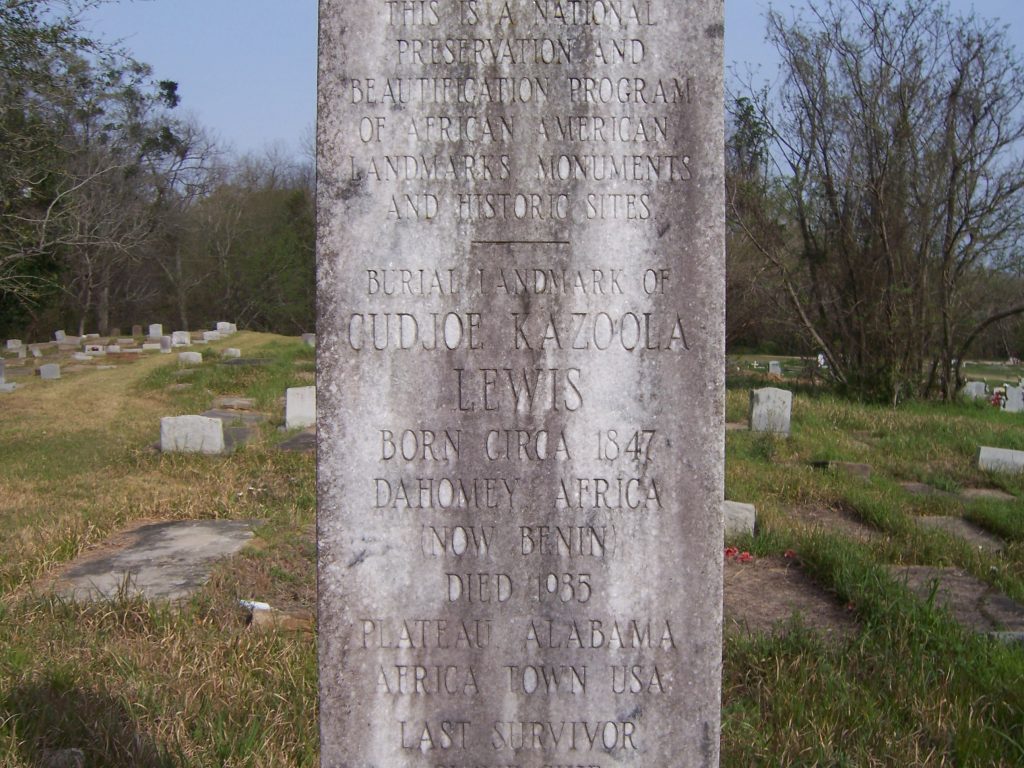
That’s the first reason to go. The Clotilda — the ship that illegally smuggled more than 100 Africans to Alabama in 1860, nearly five decades after the international slave trade had been banned — is not a myth or a legend. It happened here. The people aboard it built a community here. Some of them are buried in this cemetery. Among them is Cudjo Lewis, known in the historical record as Oluale Kossola, the last known survivor of that voyage, who died in 1935. His grave is marked simply, and finding it is not hard. Standing at it is something else entirely.
The second reason: the cemetery is part of a larger Africatown story that’s finally getting serious national attention, and visiting puts you on the ground for it rather than just reading about it at a remove. The Africatown Heritage House — which covers the community’s fuller history — opened in recent years and is nearby. But the cemetery predates the museum and carries a rawness that a building cannot replicate.
Third: it costs nothing to visit, and it asks something of you in return. That exchange feels appropriate. Come prepared — read up on the Clotilda, on Zora Neale Hurston’s interviews with Cudjo Lewis published as Barracoon, on the Smithsonian’s subsequent research. The more you bring to the cemetery, the more it gives back.
A few practical notes: the grounds are open during daylight hours. Wear comfortable shoes; the terrain is uneven in places. There’s street parking along Bay Bridge Road. The neighborhood itself has seen industrial encroachment for decades — a paper mill, a highway, a bridge — and you’ll feel that tension just driving in. It’s not picturesque in the conventional sense. It doesn’t try to be.
Mobile has plenty of historic sites that present themselves as destinations. Plateau Cemetery doesn’t perform for visitors. It simply exists, which is in some ways the most honest thing about it. The people buried here survived the Middle Passage, survived slavery, survived Reconstruction, and built something that lasted. The least a visitor can do is show up and pay attention.