Twin Falls residents in the city’s historic neighborhoods are being cautioned to check the condition of their underground sewer lines before the winter freeze sets in. The area, which includes more than 1,400 homes built primarily in the 1930s, still relies on original cast‑iron pipes that run from each house to the alleyway.
Why the pipes are at risk
Many of the homes were constructed nearly a century ago, and the original sewer lines have endured decades of wear, corrosion, and ground movement. Over time, cast‑iron can seize, crack, or collapse, especially when the pipe length exceeds 40 yards to the alley. When a line fails, homeowners can face sewage backups, property damage, and expensive emergency repairs.
Cost estimates and recent experiences
Local homeowners report a wide range of repair costs. One couple in the “presidential” section of town saved a $9,000 estimate by having a local plumber run a camera inspection, which revealed a simple $500 fix. However, neighbors with longer runs to the alley have received quotes that top $10,000 for full pipe replacement. These figures illustrate how condition and distance dramatically affect pricing.
What residents can do now
Plumbing professionals recommend that homeowners schedule a camera inspection as soon as possible, ideally before the Thanksgiving holiday when many contractors are booked. An inspection can pinpoint problem spots, confirm whether a pipe is still functional, and help owners plan a replacement timeline of 12 to 24 months.
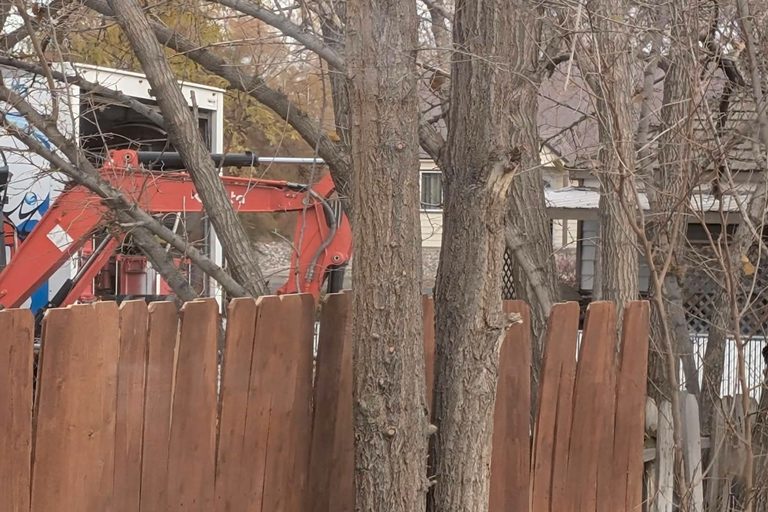
For those who discover severe deterioration, a full line replacement typically involves excavating the yard, removing the old pipe, and installing new PVC or modern ductile‑iron piping. While the upfront cost can be significant, proactive replacement avoids the higher expense and inconvenience of emergency repairs during the winter months.
Community resources
The Twin Falls Chamber of Commerce and local home‑owner associations are encouraging residents to share information about reputable plumbing firms that specialize in sewer‑line work. By coordinating efforts, neighbors can potentially secure better pricing and ensure that contractors are familiar with the city’s specific alley‑access requirements.
In addition, the city’s public works department offers guidance on permitting and inspection processes for sewer‑line projects. Homeowners should contact the department early to confirm any required permits and to schedule city inspections once the work is completed.
Looking ahead
As Twin Falls continues to grow, the city plans to assess the broader infrastructure needs of its older neighborhoods. While no large‑scale municipal replacement program has been announced, the increasing number of private‑home replacements may prompt future public‑sector investment.
For now, the best defense against a winter plumbing nightmare is early detection. Residents are urged to contact a licensed plumber, arrange a camera inspection, and develop a replacement plan well before the first freeze.
Original reporting: 580 KIDO Talk Radio (Boise) — read the source article.