Hillsborough County officials report a slowdown in locally acquired dengue cases as the county’s public health emergency approaches its scheduled expiration on Thanksgiving. The Florida Department of Health’s surveillance report for the week of Nov. 15‑21 recorded 494 local cases this year, an increase of just seven cases compared with the prior week’s addition of 19.
What the Numbers Reveal
The week‑long data indicate a positive trend for the county’s dengue response. While the total number of locally acquired infections continues to climb, the rate of new cases has decelerated, suggesting that recent mosquito‑control measures are having an effect.
In addition to the local cases, Florida reported 476 travel‑associated dengue infections this year. Those cases are tracked separately because they were contracted outside the state.
County Emergency Declaration
County Administrator Bonnie Wise signed an extension of the dengue emergency on Nov. 19, keeping the declaration in force through Nov. 26. The emergency order allows officials to act quickly on mosquito‑control actions and provides a pathway for reimbursement of qualifying expenses. Local emergency declarations normally last up to seven days unless extended or rescinded.
In the Nov. 19 announcement, the county noted that mosquito‑management crews were increasing both aerial and ground treatments after surveillance identified dengue activity in multiple neighborhoods.
Why Rain Matters
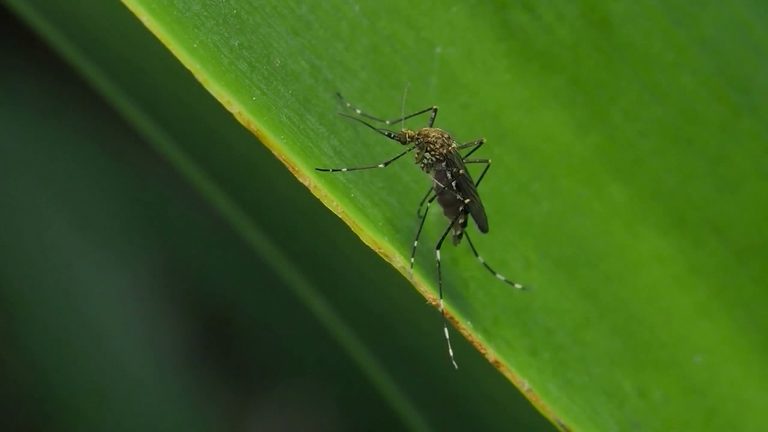
Rainfall creates breeding sites for the Aedes mosquitoes that transmit dengue. Small containers such as buckets, flower‑pot saucers, and outdoor toys can hold enough water for mosquito eggs to develop. According to the Centers for Disease Control and Prevention, eggs can survive dry conditions and hatch when water returns, with the life cycle from egg to adult typically taking seven to ten days.
While rain can increase breeding opportunities, it does not guarantee a rise in dengue cases. Ongoing surveillance and control efforts remain essential.
How Residents Can Help
The CDC recommends that residents inspect their properties weekly for water‑holding containers. Empty, scrub, turn over, cover, or discard any items that could collect water. Repairing window and door screens also helps keep mosquitoes outdoors.
Dengue spreads primarily through the bite of an infected mosquito, not through casual person‑to‑person contact. Reducing mosquito bites therefore interrupts the transmission cycle.
Residents can find treatment information, a spraying map, and notification options on the county’s Mosquito Operations website or by calling Mosquito Management Services at 813‑635‑5400.
Looking Ahead
As of Wednesday morning, the county’s public emergency‑orders page still listed the Nov. 19 extension as the most recent order, and officials have not announced whether another extension will be signed before the Thanksgiving deadline. The county will continue to monitor case numbers and mosquito activity to determine any further actions.
Original reporting: Tampa Bay Florida News (HLL/CB) — read the source article.