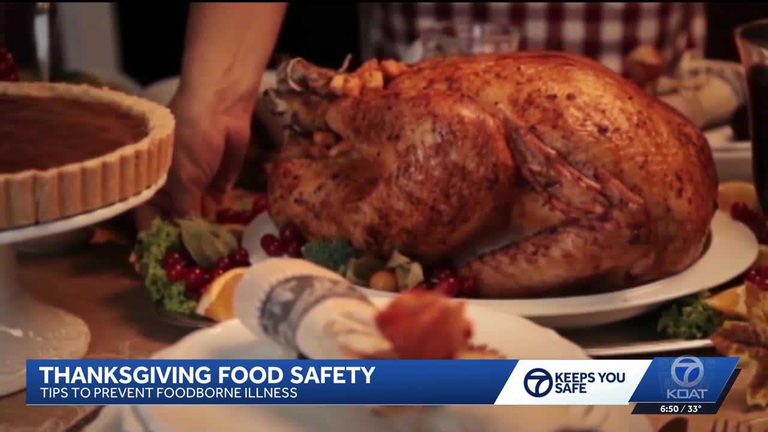
With Thanksgiving just around the corner, the New Mexico Environment Department is issuing a timely reminder to families across the state about safe food‑handling practices. Marci Nevarez, the agency’s environmental health bureau chief, emphasized that a little planning can keep holiday meals delicious and free of illness.
Plan ahead for turkey thawing
Nevarez advises cooks to allow roughly 24 hours of refrigerator time for every 4 to 5 pounds of turkey. This slow, controlled thaw helps keep the bird at a safe temperature, reducing the risk that harmful bacteria will multiply.
Hand‑washing and separation are key
One of the simplest yet most effective safeguards, according to Nevarez, is thorough hand‑washing. She recommends scrubbing hands with soap and water for about 20 seconds throughout the cooking process, especially after handling raw meat. Keeping raw meat separate from vegetables, fruits and other ready‑to‑eat foods further prevents cross‑contamination.
No need to wash the turkey
Contrary to a common myth, washing a turkey before cooking can actually spread germs onto sinks, countertops and other kitchen surfaces. Instead, Nevarez urges cooks to rely on a food thermometer, ensuring the turkey reaches an internal temperature of 165 °F in its thickest parts.
Promptly refrigerate leftovers
After the feast, leftovers should be placed in the refrigerator within two hours. Dividing food into smaller containers helps it cool more quickly. Refrigerated leftovers are best consumed within three to four days, or they can be frozen for longer storage.
Know the signs of foodborne illness
Harmful bacteria often cannot be seen or smelled, so food left out too long may appear normal yet be unsafe. Symptoms such as nausea, vomiting and diarrhea can arise from a range of causes, but salmonella infection typically appears anywhere from six hours to six days after consuming contaminated food. Nevarez advises anyone experiencing these symptoms to seek medical attention.
Debunking the post‑meal sleep myth
Many wonder if turkey’s tryptophan makes diners sleepy. Nevarez explains that the large meal itself, along with carbohydrates, alcohol and an early start to the day, are more likely contributors to post‑Thanksgiving drowsiness.
By following these straightforward guidelines, New Mexico families can enjoy a safe, healthy Thanksgiving celebration while protecting loved ones from preventable illness.
Original reporting: KOAT Albuquerque — read the source article.