In the small borough of Mertztown, Pennsylvania, a mother‑daughter partnership is making a big impact on wildlife conservation. Steph Stronsick, who founded the Pennsylvania Bat Conservation & Rehabilitation Center in 2012, operates the facility alongside her mother, Debra Boyer. Together they have built a regional hub for bat rescue, rehabilitation, and education.
Rescue and rehabilitation at scale
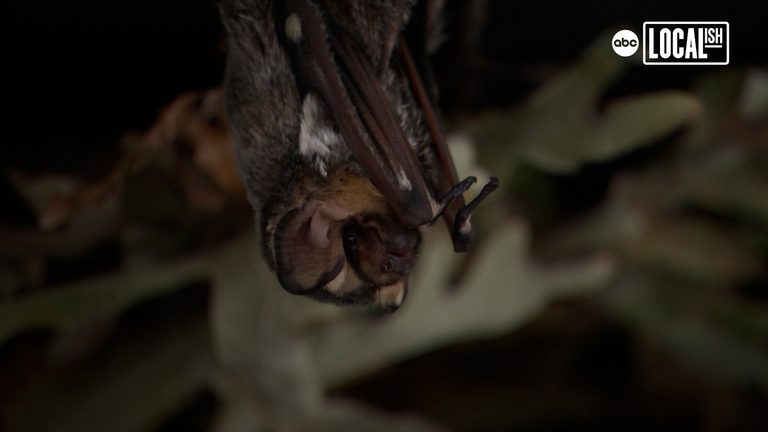
Stronsick, the center’s president, reports that the organization saves and rehabilitates more than 400 bats each year. The animals, affectionately called “sky puppies,” arrive with a range of injuries, from broken wings to head trauma. Boyer explains that many of the bats suffer permanent neurological damage, evident when a bat’s head bobs uncontrollably.
While the ultimate goal is to release every healthy bat back into the wild, the center also provides a sanctuary for retired fruit bats. These social, intelligent creatures remain on site as permanent residents, serving as ambassadors for the public education program.
Why bats matter to families and farms
Stronsick emphasizes the ecological importance of bats, noting that species such as hoary bats and big brown bats consume massive numbers of agricultural and forest pests. By keeping insect populations in check, bats help protect crops and reduce the need for chemical pesticides, a benefit that directly supports family farms across the region.
Both Stronsick and Boyer stress that bats are not the frightening creatures many imagine. “They’re just misunderstood,” they say, encouraging local families to view these mammals as allies rather than threats.
Research and community outreach
The center distinguishes itself by conducting ethical research aimed at understanding the environmental impacts on bat populations. Findings from this work help shape conservation strategies statewide and inform land‑use decisions that affect both wildlife and human communities.
Education is a core component of the center’s mission. School groups, scout troops, and neighborhood associations regularly visit the facility to learn about bat biology, the role of bats in ecosystems, and how to coexist safely with these nocturnal pollinators.
Looking ahead
With bat populations in severe decline nationwide, the work of Stronsick, Boyer, and their dedicated volunteers is more critical than ever. The center continues to seek donations, volunteer support, and partnerships with local businesses to expand its capacity for rescue and research.
For residents of Mertztown and the surrounding Lehigh County area, the Pennsylvania Bat Conservation & Rehabilitation Center offers a tangible example of how faith‑guided stewardship and family‑centered values can protect God‑created wildlife while strengthening the local community.
Original reporting: Brookhaven News – ABC7 New York — read the source article.