At sunrise on a frosty November morning, Taos County rancher and county commissioner Ron Mascareñas loaded a trailer with 16 of his 38 cows for a four‑hour drive from his family ranch near Peñasco to the Five States Livestock Auction in Clayton. Record‑low snowpack and rising fuel prices have made this one of the toughest years for ranchers in the region.
Hay shortages force early cattle sales
Rather than spend thousands of dollars on winter hay, Mascareñas chose to sell nearly half his herd. By the end of summer he had about 1,000 bales of hay in his barn, but he calculates he needs one bale per day for every two cows – far more than his supply can cover four months of winter.
“Normally, on a good summer, when we’ve had a good winter, good runoff, we’re baling 3,500 to 4,500 bales for the year,” he said. “This year we harvested 600 bales.” Early irrigation gave way to dwindling water and relentless heat, leaving pastures dry and forcing Mascareñas to graze cattle on land he usually reserves for hay.
Western drought hits cattle herd numbers
The U.S. Department of Agriculture’s July cattle report shows the national beef cattle herd at its lowest level since records began in 1973. Eight Western states, including New Mexico, recorded all‑time‑low snow‑water equivalents on April 1, the typical snowpack peak, according to the National Integrated Drought Information System.
Low snowpack means less runoff, less irrigation water and less natural forage. For ranchers already operating on thin margins, buying hay has become increasingly expensive.
Sheep offer a smaller‑scale alternative
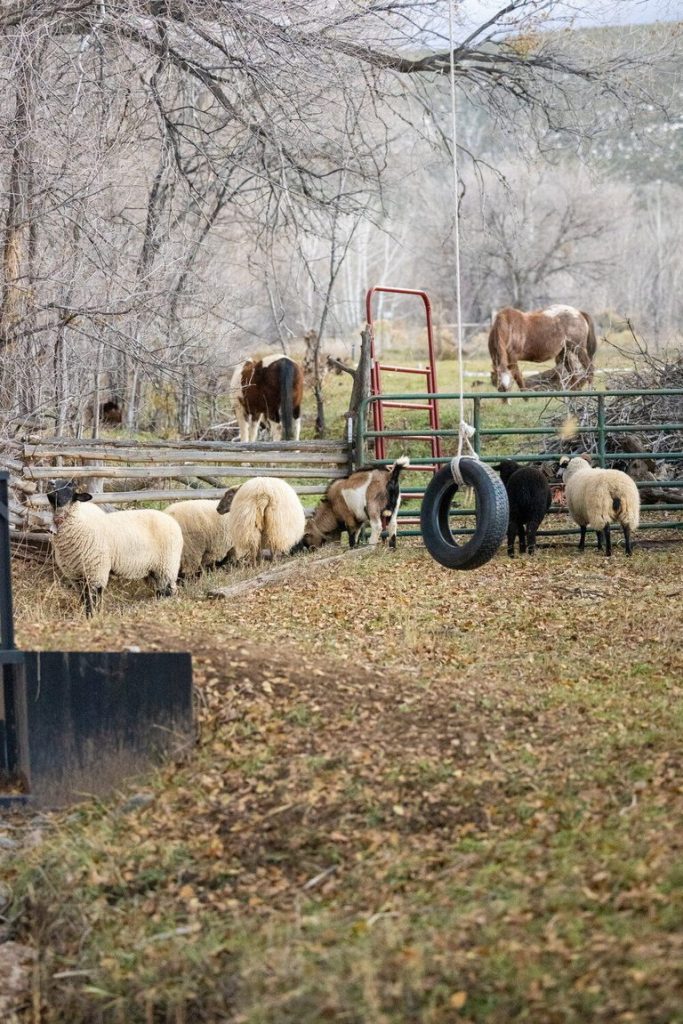
Will Jaremko‑Wright, who raised sheep for three years in partnership with Carlos Arguello of El Tros Farm near Talpa, says sheep are more manageable for a working person without a trust fund. He uses the flock to manage vegetation, clean acequias and graze marginal land, helping local food systems while preserving the carbon cycle.
But even sheep producers feel the pinch. “Hay prices are up 40 percent,” Jaremko‑Wright noted, and moving animals to new grazing spots is costly. He sold male lambs for meat and struggled to find buyers for breeding stock in a year with no grass.
Fuel costs add to the burden
Fuel prices have surged. AAA reported that New Mexico’s average gasoline price rose 61 cents per gallon from a year earlier, with Taos County posting the state’s highest regular‑gas price at $4.225 per gallon. Transportation costs for hauling cattle have risen from about $5.50 per mile to $6.50‑$7 per mile.
Pat Pacheco, who raises about 300 head of beef cattle in and around Taos, says this is the worst year he’s seen in 60 years. He now hauls cattle over 400 miles to pasture in Elk City, Oklahoma, to find usable forage.
Family tradition endures despite hardship
Even as some cattle fetched top dollar at auction, the emotional toll is evident. “It’s a lifestyle, it’s a love,” Pacheco said. Mascareñas reflected that raising cattle is a generational tradition in his family and community, even when the economics are harsh.
Ranchers across Taos County continue to weigh the dilemma of selling now at higher prices versus holding onto livestock for future breeding, uncertain of next year’s market and weather conditions.
Original reporting: Taos News — read the source article.