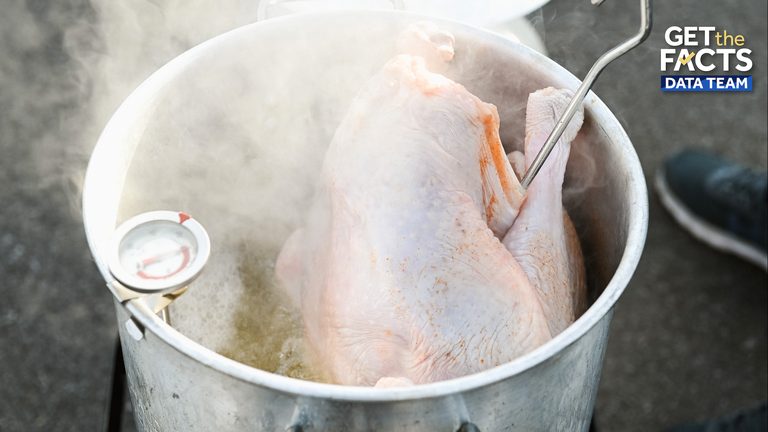
Every Thanksgiving, many families choose to deep‑fry their turkey for a juicy, golden result. While the method originated in Cajun kitchens of Louisiana in the 1980s, it has spread nationwide. About 7% of Americans now deep‑fry their turkey, according to the National Turkey Federation. The appeal is clear, but the process can be dangerous if proper precautions are ignored.
Why a Deep‑Fried Turkey Can Explode
When a turkey is not fully thawed, ice crystals remain inside the meat. Dropping a partially frozen bird into hot oil (typically 350‑375°F) causes the water to vaporize instantly, expanding dramatically. This rapid expansion can create a violent eruption of oil, often referred to as an “explosion.” The National Fire Protection Association (NFPA) reports that Thanksgiving is the peak day for home‑cooking fires, with an estimated 1,139 incidents in 2024 alone. Many of those fires are linked to deep‑frying mishaps.
Essential Safety Tips
- Thaw Completely and Dry Thoroughly: Ensure the turkey is fully thawed—this may take several days in the refrigerator. Pat the bird dry with paper towels before cooking.
- Choose an Outdoor Location: Set up the fryer at least 10 feet away from structures, wooden decks, and patios. A flat, non‑combustible surface such as concrete is ideal.
- Measure Oil Accurately: Before heating, place the thawed turkey in the empty pot and fill with water until it covers the bird by about a half‑inch. Mark the water level, then dry the pot and turkey. Use this mark to determine the correct oil volume, preventing over‑filling.
- Use Proper Protective Gear: Wear heat‑resistant oven mitts and safety goggles. Keep a sturdy, long‑handled tool handy for lowering and lifting the bird.
- Monitor Temperature: Attach a reliable thermometer to the oil and never let it exceed the recommended range. Overheating increases the risk of fire.
- Have a Class K Fire Extinguisher Ready: This type is designed for kitchen‑oil fires. Never use water to extinguish an oil fire, as it can cause a flash‑over.
- Lower and Remove the Turkey Slowly: After the bird reaches an internal temperature of 165°F, gently lift it out of the oil and let excess oil drip back into the pot before placing it on a safe surface.
What to Do If a Fire Starts
If the oil ignites, call 911 immediately. Do not attempt to douse the flames with water. Use the Class K extinguisher, aiming at the base of the fire. If the fire spreads beyond control, evacuate the area and wait for emergency responders.
Why These Steps Matter
Following these guidelines dramatically reduces the chance of a dangerous explosion or fire. By ensuring the turkey is fully thawed, measuring oil precisely, and keeping the fryer outdoors, families can enjoy a delicious deep‑fried turkey without endangering loved ones or property. The NFPA’s data underscores that most incidents are preventable with proper preparation and equipment.
Thanksgiving is a time for gathering and gratitude. With careful planning and adherence to safety best practices, deep‑frying can be a rewarding tradition that adds flavor to the holiday table while keeping everyone safe.
Original reporting: WPBF (Treasure Coast / Hearst) — read the source article.