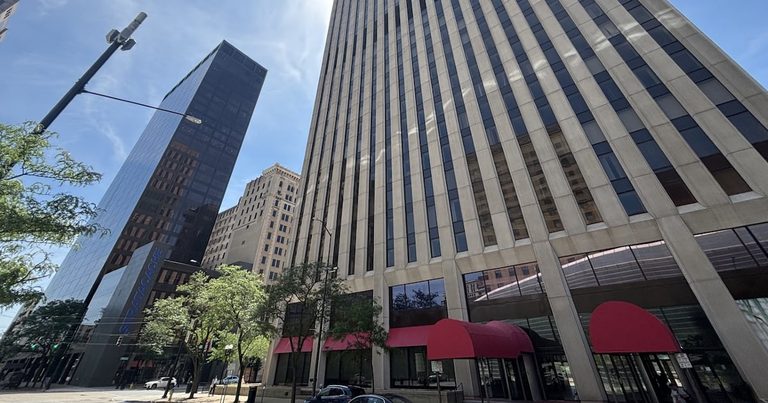
Dayton city officials announced they are undertaking emergency stabilization work on the former KeyBank Tower, a 27‑floor skyscraper on Second Street that has been empty since KeyBank vacated the building in 2021. The effort, described by Development Coordinator Cole Hetman as “very proactive, preventative work to stabilize the building,” is intended to protect the structure from potential emergencies as winter temperatures approach.
According to WHIO, the tower was originally known as the Mead Tower before KeyBank assumed naming rights in 2008. After the bank left in 2021, the building remained unused. In May, Dayton officials formally assumed control of the property and have since been seeking emergency legislation to fund immediate stabilization measures.
City leaders say the short‑term goal is to secure the building’s exterior and interior systems to avoid hazards such as water intrusion, structural failure, or unsafe conditions for pedestrians. “We’re trying to prevent huge emergencies from occurring, but we had to call an emergency legislation to make it go forward,” Hetman told WHIO.
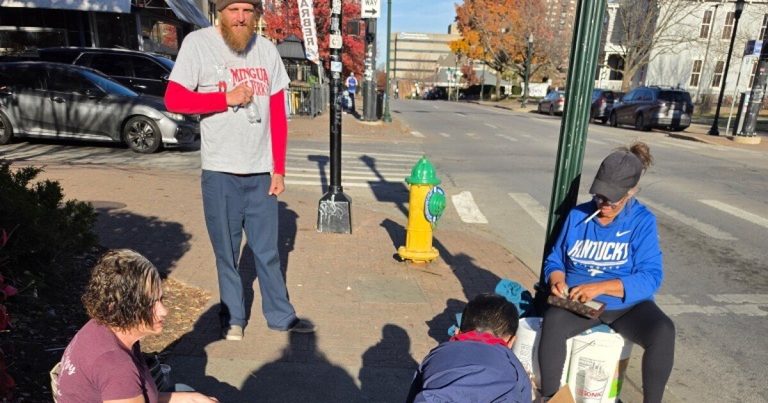
Community members have expressed hope that the tower could eventually serve a new purpose. Nancy Yepez, a longtime downtown resident who experienced homelessness, told WHIO that affordable housing could be a viable reuse. “I think at like low income based or something cause there’s a lot of homeless people,” Yepez said, adding that converting the tower into apartments would provide critical shelter for residents in need.
City officials are still developing a long‑term vision for the building. A committee is being formed to evaluate potential uses, with input from local stakeholders, developers, and housing advocates. The committee’s recommendations are expected to be presented later this year.
While the stabilization work addresses immediate safety concerns, the broader community sees the project as an opportunity to revitalize a prominent downtown landmark that has stood vacant for several years. “If somebody wouldn’t have gave me that chance, I would be out in the streets like for the winter,” Yepez reflected, underscoring the personal impact that renewed investment in the tower could have on vulnerable residents.
What’s next: Dayton will continue emergency stabilization through the upcoming months, while the newly formed committee reviews redevelopment proposals. Officials plan to hold a public hearing on the tower’s future use, giving residents a chance to weigh in on potential housing or commercial options.
Sources: whio.com