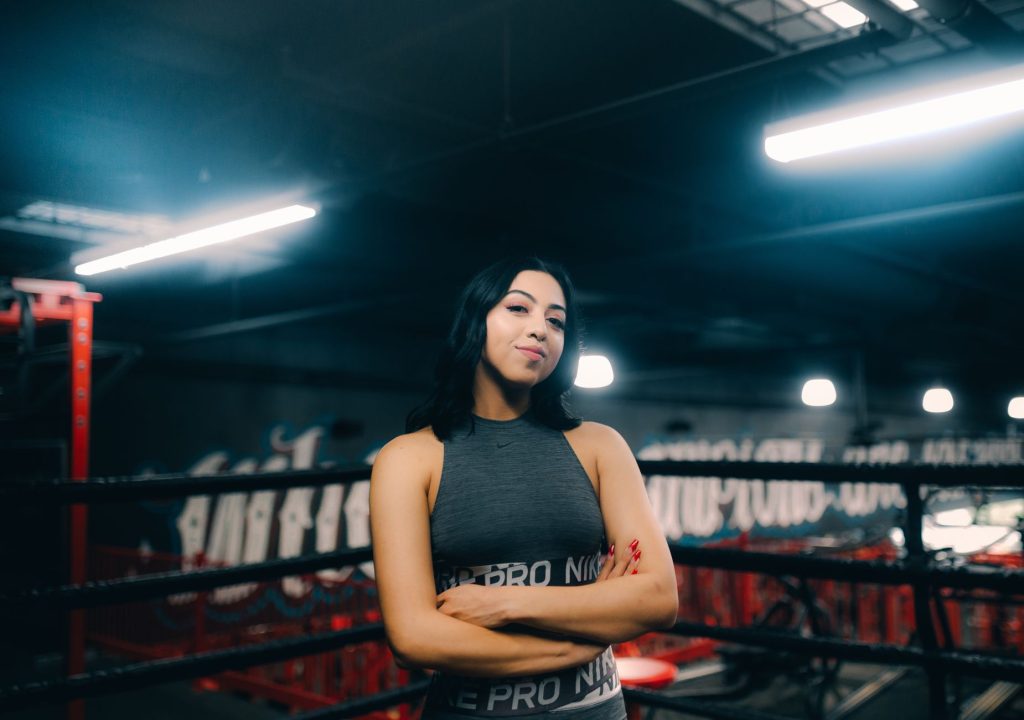
What does a boxing gym look like when nobody’s trying to impress anyone? Walk into the Ramona Gardens Boxing Club on a Tuesday evening and the answer comes fast: a cracked concrete floor, the smell of leather and liniment, and the steady rhythm of gloves hitting bags in a room that has been producing fighters for decades. No boutique branding. No day-pass kiosk. Just the gym.
The club operates out of the Ramona Gardens housing development in East Los Angeles, one of the city’s oldest public housing projects, sitting off Figueroa Street near the 10 Freeway interchange. The neighborhood doesn’t get much press unless something goes wrong, which is part of why the gym matters so much to the people who use it. It offers something structured and free — or close to free — in a place where structured and free don’t always coexist.
On a typical weeknight, kids arrive starting around five. Some come straight from school in their uniforms, backpacks dropped against the wall near the entrance. The older fighters drift in later, maybe six or six-thirty, already warmed up mentally if not physically. Trainers move between stations without much ceremony — correcting a stance here, holding mitts there, watching footwork with the particular stillness of someone who has seen ten thousand rounds. No one is performing for an audience that doesn’t exist.
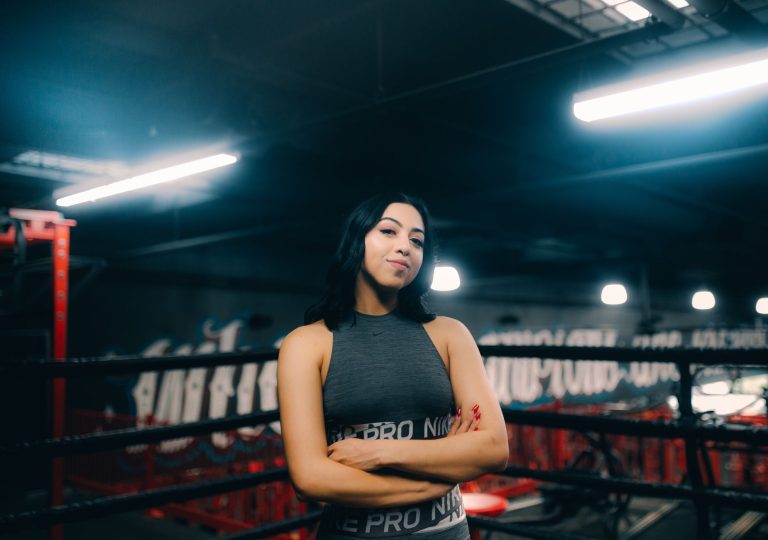
The equipment is functional rather than new. The heavy bags have tape on them. The speed bags sound different from each other depending on which one you’re hitting. The ring itself is regulation size, elevated a few inches off the floor, ropes tightened to what feels like the right tension. It is the kind of room where the history is in the wear rather than on a plaque.
What the club has produced over the years is harder to document than a trophy case, because a lot of what it produces never becomes a professional record — it’s teenagers who stayed out of worse situations, men in their thirties who still come back to work the bags on Wednesday nights because the gym gives their week a shape. That’s the less visible output, and coaches here will tell you it’s the more important one.
Access is generally open to community members, particularly youth, with programming tied to Los Angeles County or city recreation initiatives depending on the season and funding. That means costs are minimal, sometimes nothing, though it’s worth calling ahead or stopping by to confirm current hours — the schedule shifts, and the gym doesn’t maintain much of an online presence. That’s not an oversight; it’s just not the point.
Spectators aren’t turned away, but the vibe is not spectator-friendly in the way a fitness studio might be. This is a working gym during working hours. If someone brings a kid who wants to try it, the reception is warm. If someone shows up just to watch, they’ll be tolerated politely and largely ignored, which is its own kind of welcome.
The Ramona Gardens Boxing Club isn’t trying to be anything other than what it is — a place where people who live nearby can learn to fight, in both the literal and the broader sense. That consistency, over so many years, in a neighborhood that has absorbed a lot of change and pressure, is what makes it worth knowing about.