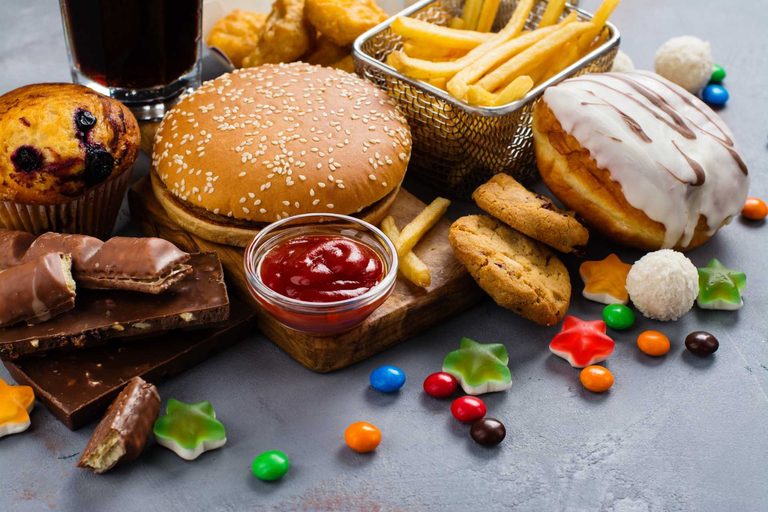
When families look for quick, convenient meals, they often reach for foods that are cheap, shelf‑stable, and easy to overeat. Registered dietitian Caitlin Hosmer, MS, RD, LDN, points out that many of these ultra‑processed foods can undermine health, especially for children and busy parents.
What qualifies as an ultra‑processed food?
Researchers use the NOVA classification system, created by Brazilian epidemiologist Carlos Augusto Monteiro, to sort foods into four groups based on how much processing they undergo. Ultra‑processed foods are industrial formulations made primarily from isolated starches, hydrogenated oils, protein isolates, syrups and a host of additives—emulsifiers, flavorings, colors, sweeteners and texturizers—that you would not find in a home kitchen.
These products are designed to be inexpensive, shelf‑stable, and highly palatable, which makes them easy to consume in excess. While the NOVA system describes how a food is made, it does not judge nutritional quality; a hot dog and a packaged whole‑grain bread can both fall into the ultra‑processed category.
Which ultra‑processed foods raise the greatest health concerns?
Hosmer notes that, when researchers break ultra‑processed foods into sub‑categories, processed meats consistently emerge as the most concerning. A large study by the National Cancer Institute involving more than 460,000 American adults found no overall link between ultra‑processed food intake and colorectal cancer, but it did identify a higher risk among those who ate more processed meat.
Supporting evidence from a 2024 Harvard analysis published in The British Medical Journal showed that meat‑, poultry‑, and seafood‑based ready‑to‑eat products were most strongly associated with increased mortality. Other categories that appear repeatedly in research include:
- Sweetened beverages—both sugar‑sweetened and artificially sweetened drinks such as sodas, sweet teas, energy drinks and diet drinks.
- Dairy‑based desserts and sugary breakfast foods, including many cereals and pastries that are essentially desserts dressed as breakfast.
These foods tend to be low in fiber, protein and other essential nutrients while delivering high amounts of added sugars, unhealthy fats and calories.
How ultra‑processed foods affect the body
Because many ultra‑processed products are engineered to be hyper‑palatable, people often eat more than the recommended serving size. This can lead to large spikes in blood sugar, reduced satiety, and overall higher calorie intake. Over time, these effects contribute to weight gain, high blood pressure, inflammation, diabetes, unfavorable lipid profiles and a shorter health span.
One of the most compelling experiments on this topic was a 2019 National Institutes of Health trial led by Kevin Hall. Twenty adults lived in a metabolic ward and alternated two‑week periods on an ultra‑processed diet and a minimally processed diet, with both diets matched for calories, sugar, fat, fiber and sodium. Participants ate about 500 extra calories per day on the ultra‑processed diet, ate faster, and gained roughly two pounds, while they lost a similar amount on the minimally processed diet. The study suggests that the physical form of the food—not just its nutrient content—drives overeating.
Researchers propose several mechanisms:
- Overeating: Soft, energy‑dense foods are easy to consume quickly.
- Blood‑sugar swings: Refined starches and sugars are absorbed rapidly.
- Displacement: Processing strips foods of fiber, protein and beneficial plant compounds.
- Gut effects: Certain emulsifiers may thin the protective mucus layer and promote an inflammatory gut microbiome (evidence primarily from animal studies).
Practical guidance for families
Hosmer emphasizes that “worst” does not mean these foods will inevitably cause disease, but they tend to be low in nutrients the body needs and high in components it does not. She recommends families prioritize whole, minimally processed options and use the following tips:
- Read ingredient lists—if a product contains a long list of additives, it is likely ultra‑processed.
- Choose fresh or frozen vegetables, whole fruits, eggs, plain milk and beans over pre‑flavored or pre‑packaged versions.
- Limit processed meats such as hot dogs, deli meats, bacon and breaded frozen meats.
- Replace sugary drinks with water, unsweetened tea or milk.
- When buying bread, look for whole‑grain varieties with short ingredient lists; avoid breads that list multiple sugars, oils and preservatives.
By making these small adjustments, families can reduce excess calorie intake, stabilize blood sugar and support long‑term metabolic health while still enjoying the convenience of modern food products.
Original reporting: WPBF West Palm Beach — read the source article.