PHOENIX — Arizona’s Empowerment Scholarship Account (ESA) program, which provides state‑funded vouchers for private‑school tuition, homeschooling supplies and other education expenses, is projected to cost over $1.264 billion in Fiscal Year 2027, according to the latest monthly fiscal highlight from the Joint Legislative Budget Committee (JLBC). The estimate raises fresh debate as Democrats now control the state House and are urging reforms.
Current scale of the program
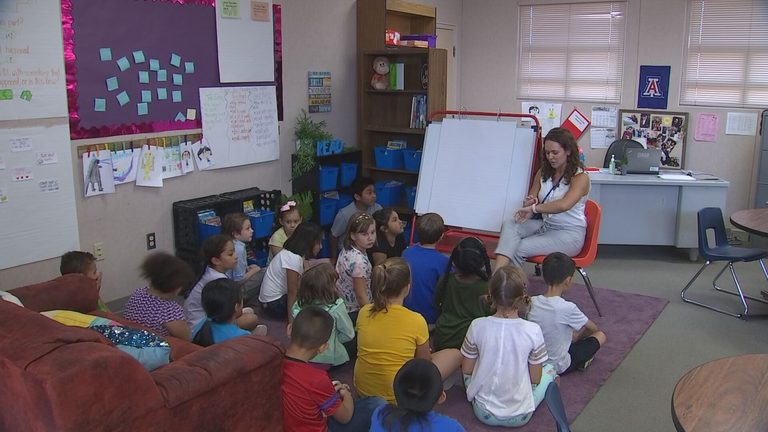
Nearly 111,000 Arizona students currently use ESAs, drawing taxpayer dollars directly into families’ hands. Supporters argue the program expands parental control over education, allowing families to choose the learning environment that best fits their values and needs.
Democratic criticism and proposed changes
Critics, led by Save Our Schools director Beth Lewis, contend the program lacks accountability. “The problem with the ESA voucher program is that it’s unaccountable,” Lewis said, adding that the rapid growth of expenditures leaves the state uncertain about how the money is spent and whether students are truly benefiting.
Democratic leaders, including Senate President‑elect Priya Sundareshan, say the legislature will “significantly curtail” the voucher program after uncovering waste and fraud. Proposed reforms include income caps, stricter spending limits and returning unused funds to the state treasury.
Republican defense of school choice
Republican officials maintain that ESAs empower families and relieve overburdened public schools. Incoming Senate Minority Leader John Kavanagh noted that opposition to the program has historically come from those who opposed school choice, not from parents seeking alternatives. “I don’t think we’ll be getting rid of ESA vouchers,” Sundareshan added, suggesting a more measured approach rather than outright elimination.
Historical context
Arizona pioneered the nation’s first ESA program 15 years ago, initially serving only students with disabilities. Four years ago the program expanded to all K‑12 students, reflecting a broader state commitment to school choice.
What the numbers mean for taxpayers
The JLBC projects the program could surpass $1.4 billion by Fiscal Year 2028 if current trends continue. While critics point to the rising cost as a fiscal burden, supporters argue that the investment yields long‑term benefits by fostering competition, improving educational outcomes and giving families the freedom to align schooling with their faith and values.
Next steps
State Democrats are expected to introduce legislation in the upcoming session that would tighten ESA oversight. Republicans are likely to push back, emphasizing the constitutional right of parents to direct their children’s education. The debate will play out in committee hearings and public forums, with both sides citing data and personal stories to bolster their positions.
Save Our Schools recently released research highlighting what they call the “Hidden Costs” of the ESA program on public school districts, adding another layer to the policy discussion.
Original reporting: azfamily KTVK/KPHO Phoenix (news) — read the source article.