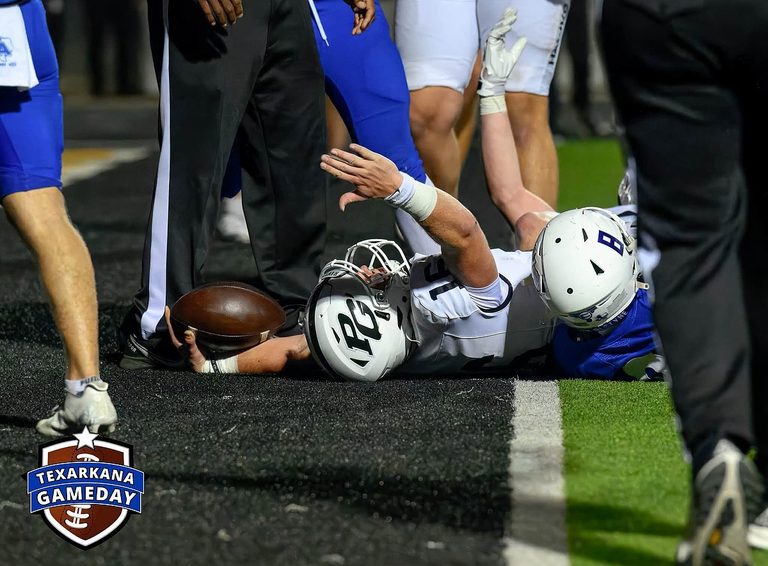
Mount Pleasant, Texas – On Friday night the Pleasant Grove Hawks faced a crucial moment in their playoff loss to the Van Alstyne Wildcats. With the game hanging in the balance, head coach Jonathan Darby elected to attempt a two‑point conversion rather than the safer extra point that would have tied the contest.
Why the Two‑Point Call?
Van Alstyne’s rushing attack dominated much of the evening, averaging 5.8 yards per carry. Quarterback Cason Howard moved the ball 5.2 yards per rush, while running back Xavier Vidaurri averaged an impressive 7.6 yards per carry. Those numbers made the Wildcats a tough opponent to stop, especially when drives began near the 25‑yard line. Darby explained that the relentless ground game left his defense fatigued, prompting the decision to try for the win outright.
The Result and Immediate Reaction
The two‑point attempt failed, leaving the Hawks trailing by one point. An extra‑point kick would have tied the game and likely forced overtime, but Darby’s gamble ended the Hawks’ hopes for a comeback. Fans and commentators quickly turned to social media, dissecting the call and questioning whether a different play might have produced a better outcome.
Hindsight Is 20/20
It’s easy to look back and criticize a decision once the final score is known. The columnist who penned the original piece admits to the same tendency, noting that many observers now argue the Hawks should have taken the extra point. Yet the same hindsight can swing the other way; had the conversion succeeded, the same voices would be praising the boldness as genius.
What matters, the writer suggests, is recognizing that in the heat of competition coaches must make split‑second judgments without the benefit of a scoreboard. The pressure to win, the momentum of the opponent’s offense, and the desire to avoid a prolonged battle all factor into such choices.
Does Analyzing the Result Help?
According to the column, replaying the decision after the fact does little to improve future outcomes. While post‑game analysis can highlight areas for improvement, it also risks oversimplifying the complexities faced in real time. The author concludes that dwelling on what could have been offers limited value for coaches, players, or fans.
For Pleasant Grove supporters, the loss is a disappointment, but the decision to go for two reflects a willingness to take calculated risks in pursuit of victory. As the Hawks regroup for the remainder of the season, the lesson may be less about the specific play call and more about the broader principle of trusting a coach’s judgment when the stakes are high.
Original reporting: Texarkana Gazette — read the source article.