The Muskegon Heights City Council met Tuesday for a special session to consider a Public Act 33 proposal that would raise additional tax revenue for the city’s police and fire departments. While four council members were present—enough to conduct the meeting—the council fell short of the five‑member supermajority required to approve the measure.
Quorum issues stall tax proposal
Councilmembers Derrick Collins and Andre Williams were absent for the second consecutive night, leaving the body without the necessary supermajority. As a result, council members tabled the decision on the tax proposal but proceeded with the scheduled public hearing.
The missed quorum follows Monday’s regular meeting, which also ended without a vote after Councilman William Kitchen III left before discussions on the city’s 2026 operating budget and deficit‑elimination plan could be completed. The city faces a Dec. 1 deadline to submit a formal deficit‑elimination plan. According to the finance department, the current 2026 deficit stands at $1,747,167.56, though some journal entries remain to be recorded.
Public‑safety funding options under review
Public Act 33 is being considered as a way to generate additional revenue for police and fire services while easing pressure on the general fund, which currently allocates about 65 % of its resources to public‑safety expenses. Council has debated two millage options: a 5‑mill increase for each department or a 7.5‑mill increase for each.
Police and fire officials warned that without new funding, staffing levels could be reduced, potentially lengthening emergency response times. Residents attending the public hearing voiced mixed opinions. Some called for a deeper examination of existing police and fire expenditures and a more detailed accounting of how public‑safety funds are used. Others questioned whether a direct tax increase should be put to a vote before exploring alternative cost‑saving measures.
Community concerns and council response
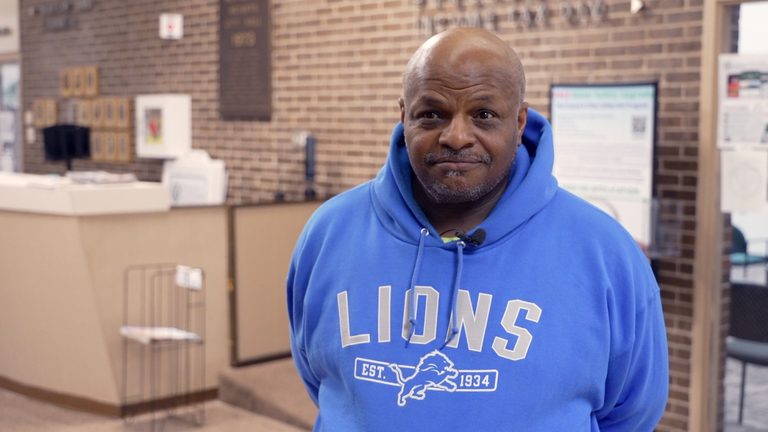
Local resident John Beasley, who attended both Monday’s and Tuesday’s meetings, emphasized the need for council members to be present and accountable. “We just need the council members to attend the meetings because that’s what they said they would do, to represent us,” Beasley said.
Beasley also expressed concern about the potential burden a tax increase could place on residents living on fixed incomes, urging the council to consider other solutions to address the deficit.
Next steps
The council is scheduled to reconvene in a special session on Monday, Nov. 30, to address the deficit‑elimination plan, one day before the Dec. 1 deadline. The Public Act 33 proposal is expected to return to council for a vote on Dec. 14.
Mayor Pro‑Tem Kitchen stressed the importance of a supermajority to move the agenda forward, calling on residents to hold elected officials accountable for consistent attendance. “If these things don’t get pushed through, we’re all going to suffer,” Kitchen warned.
As Muskegon Heights works to close its budget gap, the council’s ability to achieve quorum and reach consensus on funding measures will be critical to maintaining essential public‑safety services without overburdening taxpayers.
Original reporting: FOX 17 WXMI Grand Rapids (local) — read the source article.