Say it’s 5:30 on a Friday and you’re driving down Belt Line Road, trying to decide where to eat. You pass the usual suspects — the chain spots, the drive-throughs — and then you notice Momo Cafe tucked into a small strip mall near Josey Lane, the kind of place with hand-painted signage and a parking lot that fills up faster than it should for somewhere so little-known. That’s your signal to stop.
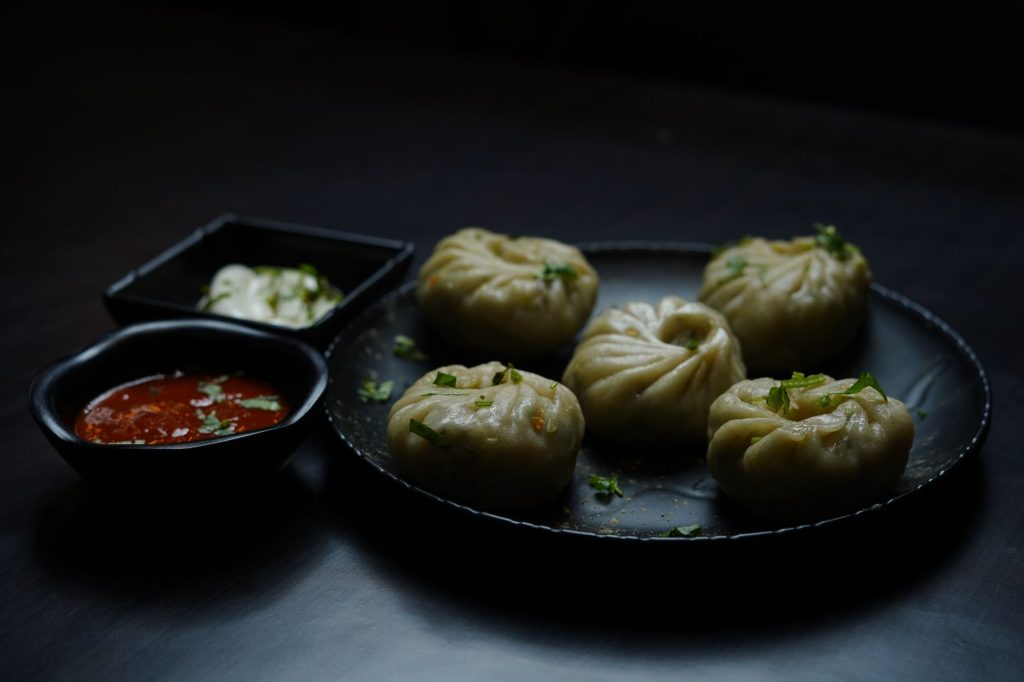
Momo Cafe is a Nepali and Tibetan restaurant, and if you haven’t spent much time with that cuisine, your entry point should be obvious from the name alone: the momos. These are dumplings — steamed or pan-fried, stuffed with spiced ground chicken, pork, or vegetables — and they arrive in modest little batches of six or eight, with a smoky tomato-sesame dipping sauce that’s worth asking for extra portions of. The wrappers are thicker than a standard Chinese dumpling, slightly chewy, and they hold their heat well enough that you’re not racing the clock to eat them.
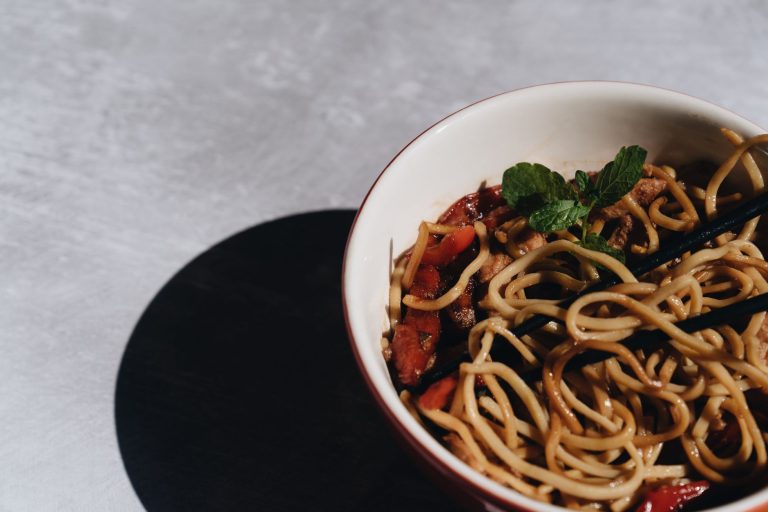
The menu is short, which is a good sign. You’ll find thukpa, a hearty noodle soup with a broth that leans gingery and savory rather than salty or heavy — the kind of bowl you want on a cool evening. There’s also chow mein, cooked drier and more aromatic than the American-Chinese version, with vegetables and your choice of protein stir-fried until there’s a little char on the edges. The saag paneer crosses the border into Indian territory, but it’s a solid version: earthy, creamy without being thick, and not oversweetened the way some places make it.
Portions here are honest. You won’t leave stuffed in a way that regrets itself two hours later, but you won’t leave hungry either. A full meal for two — a plate of momos, two mains, rice — usually runs somewhere around $30 to $40 before tip, which puts it well below what you’d pay for less interesting food nearby.
The room is small and straightforward: a handful of tables, warm lighting, walls decorated simply. Weekend evenings get busy enough that there’s sometimes a short wait, but nothing dramatic. The staff are unhurried in a way that actually feels hospitable rather than neglectful — they know the food is worth your patience.
What makes Momo Cafe worth going out of your way for is specificity. Nepali cooking has its own distinct logic — the spicing is different from Indian, the textures are different from Chinese, and the overall effect is lighter and more herbal than either. It doesn’t taste like a fusion experiment; it tastes like its own thing, made by people who know what it’s supposed to be.
If you’re bringing someone unfamiliar with the cuisine, start with a steamed momo order and the thukpa. From there, let the table decide. Odds are good you’ll be back before long, probably still on a Friday, probably still at 5:30, wondering how this place doesn’t have a line out the door every single night.