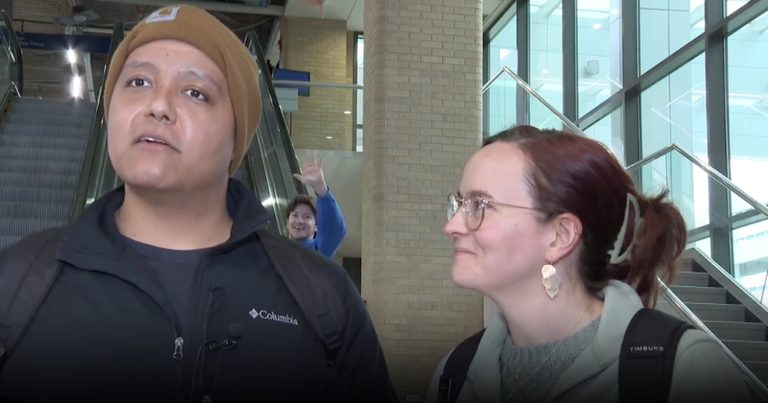
On Tuesday evening, Des Moines residents assembled outside the Iowa State Capitol to protest the U.S. Army’s planned detonation of lead azide, a powerful explosive, scheduled for Wednesday. The demonstration was organized by the Party for Socialism and Liberation, but attracted a broader cross‑section of Iowans worried about potential environmental and health impacts.
Protesters call for transparency and alternatives
Rally attendees urged the Army to release its assessment of alternative disposal methods, arguing that a controlled explosion may not be the safest or simplest solution. “Pollution is insane; it’s ridiculous that they think that this is the easiest and simplest way to go about this,” said rally participant Jadyn Yow. “This is going to contribute not only to Iowans across the entirety of the United States.”
In addition to demanding a review of disposal options, demonstrators asked for an independent investigation and funding to monitor both health and environmental effects in the surrounding area. The group emphasized the need for ongoing testing of air and water quality before, during, and after the detonation.
Local officials and the Army respond
State officials have not yet issued a formal statement regarding the protest, but the Iowa Governor’s office previously declared a disaster emergency in three counties potentially affected by the lead azide explosion. The Army maintains that the detonation follows standard safety protocols and that the chosen site minimizes risk to nearby communities.
Representatives from the Army’s Explosive Ordnance Disposal (EOD) team indicated that they will conduct air monitoring and provide public updates throughout the process. They also noted that lead azide, while hazardous in large quantities, is being handled in accordance with federal environmental regulations.
Community concerns and next steps
Local environmental groups have expressed skepticism about the adequacy of the monitoring plan, citing past incidents where explosive testing raised concerns about lingering contaminants. They are urging the state health department to conduct independent sampling and to make results publicly available.
The protest highlights a growing trend of community involvement in federal military activities that have direct local impact. While the Army proceeds with its schedule, the voices from Des Moines underscore the importance of transparency, accountability, and safeguarding public health.
As the detonation approaches, residents plan to continue monitoring the situation and to hold follow‑up meetings with state and federal officials to ensure that any adverse effects are promptly addressed.
Original reporting: KCCI Des Moines — read the source article.