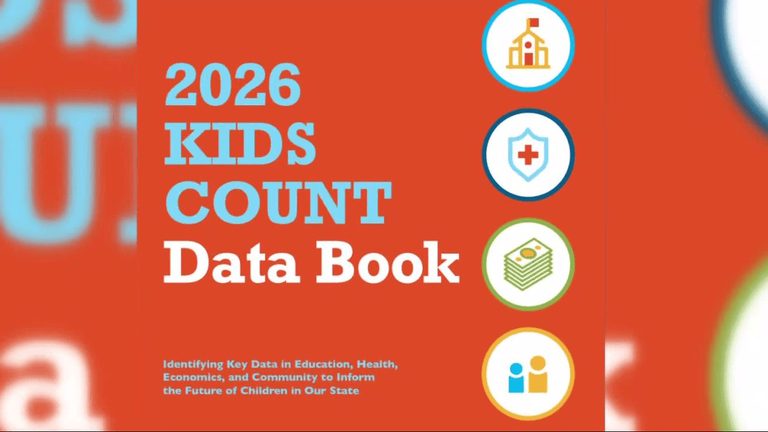
CHARLESTON, W.Va. – A new Kids Count survey released by the West Virginia Center on Budget and Policy paints a sobering picture of child wellbeing across the state. Senior policy analyst Sean O’Leary said the study tracks 16 indicators—including median household income, poverty rates, educational outcomes and community health—to gauge how well West Virginia is caring for its youngest citizens.
Child poverty remains a pressing concern
According to the report, roughly one in five children in West Virginia lives in poverty. The problem is especially acute in rural counties. Calhoun County tops the list, with 53.6% of its children living below the poverty line, while Clay County reports the highest rate of food insecurity at 36%.
Medicaid coverage at risk
The survey shows that 2.5% of children lack health insurance, and almost half of those who are insured rely on Medicaid. O’Leary warned that the figure could rise once new Medicaid work‑requirement rules take effect. “When parents lose their health insurance, children tend to lose theirs as well. We must ensure those children stay covered,” he said.
Education gains amid lingering challenges
On a brighter note, the data indicate improvements in reading and math scores since the pandemic lows. O’Leary attributed the bounce‑back to recent investments in public schools, noting that while children still face challenges, the upward trend signals that targeted funding works.
Policy recommendations rooted in family values
O’Leary urged state leaders to adopt policies that reduce poverty, protect Medicaid access, and continue supporting public‑school funding. “We want to pursue policies that reduce poverty and support parents and workers,” he said, emphasizing the need for a pro‑family approach that strengthens the traditional family unit.
Local implications and next steps
The findings give lawmakers a data‑driven roadmap for action. County officials in Calhoun and Clay are already discussing targeted assistance programs, while education leaders are planning to build on recent academic gains. Community groups are also mobilizing to address food insecurity and expand access to health coverage for vulnerable families.
As the Kids Count report makes clear, improving child wellbeing is not just a moral imperative—it is a predictor of overall societal health. By focusing on policies that lift families out of poverty, safeguard health insurance, and invest in quality education, West Virginia can move toward a stronger, more prosperous future for all its children.
Original reporting: WCHS Eyewitness News Charleston (local) — read the source article.