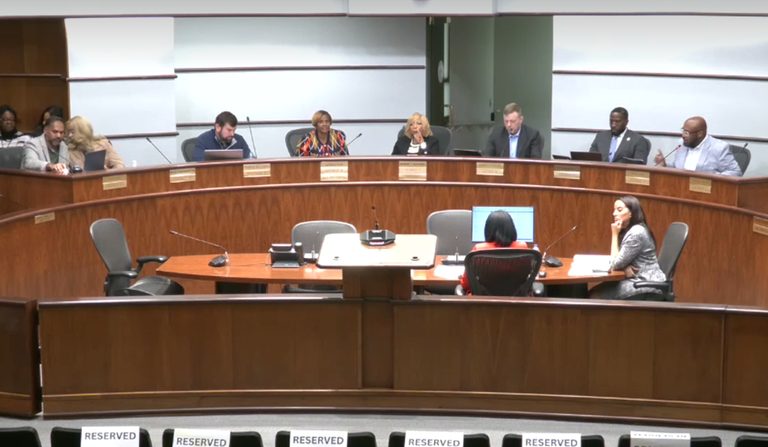
After more than two years of study, Birmingham City Council moved forward on regulating short‑term rentals such as those listed on Airbnb and Vrbo. On Tuesday the council voted to give the proposed ordinance a first reading, setting the stage for a second reading at next week’s council meeting.
Key provisions of the draft ordinance
The measure would require owners of short‑term rentals to designate a local contact within a ten‑mile radius, pay a permit fee and limit the number of guests allowed per stay. Earlier versions of the ordinance also considered banning short‑term rentals in single‑family residential neighborhoods and imposing stricter limits in other zones.
Councilor Crystal Smitherman cast the sole “no” vote, preventing the ordinance from receiving unanimous consent and immediate adoption. As a result, the proposal will proceed through the standard legislative process.
Timeline and next steps
During a Planning and Zoning Committee meeting later Tuesday, Councilor Darrell O’Quinn indicated that the council will continue discussing the proposal in the first quarter of next year, with a target for final passage no later than the first week of April.
City officials said the ordinance will receive its second reading at the council meeting scheduled for next week. If approved, the council will move toward a final vote later in the spring.
Economic impact and public safety concerns
Kim Speorl, deputy director of the Department of Planning, Engineering and Permits, reported that Birmingham had 1,134 short‑term rentals as of August 2025. She estimated that platforms such as Airbnb and Vrbo contributed more than $90 million to the metro area’s economy.
The council’s interest in regulation grew after a series of high‑profile crimes, including shootings, occurred at short‑term‑rental properties. Residents have voiced concerns about safety, traffic, parking, parties, noise and trash—issues the ordinance seeks to address.
Community response
City leaders held two town‑hall meetings in April to gather input. Many attendees expressed worries about neighborhood disruption and public‑safety risks, while others highlighted the economic benefits that short‑term rentals bring to local businesses and tourism.
The council’s ongoing work reflects a balance between preserving the economic contributions of short‑term rentals and protecting the quality of life for Birmingham’s families and neighborhoods.
Original reporting: BirminghamWatch — read the source article.