While the holiday season traditionally brings gratitude and gathering, Washington residents are also confronting steep grocery, gas and housing costs that have made 2026 an especially tough year for many families. In response, a wave of community‑driven efforts is focusing on two critical needs: feeding the hungry and supporting Black‑owned businesses.
Local Economic Sentiment and Food Insecurity
JP Morgan Chase’s inaugural Community Outlook Survey of the D.C. area revealed a fairly even split in how residents view the economy: 39% say it is declining, 37% say it is holding steady, and 29% remain optimistic. Even with this mixed sentiment, the Capital Area Food Bank’s 2026 Hunger Report paints a stark picture—nearly half of households in the DMV region are experiencing food insecurity, the highest level in five years. The report notes that for the first time, fewer than half of households (49%) are classified as “highly food secure,” a drop of ten percentage points since 2022.
Community Leaders Step Up
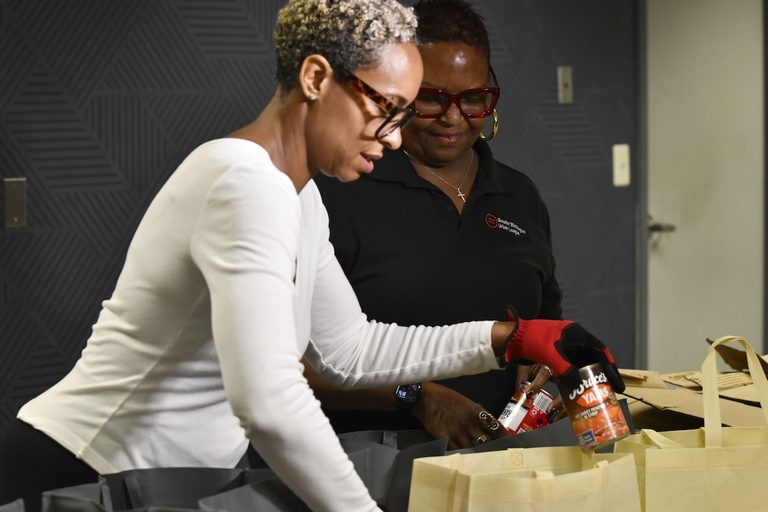
Across the District, churches, foundations and grassroots groups are mobilizing to fill the gap. Families are opening their homes for communal meals, while local nonprofits are expanding grocery assistance programs to meet the surge in demand. Grammy‑nominated rapper Wale’s annual “Gifted Week” continues to provide holiday treats and essential supplies to families in need, exemplifying how cultural figures can leverage their platforms for service.
Supporting Black‑Owned Businesses
The Washington Informer’s holiday edition highlights entrepreneurs who are keeping the spirit of Black commerce alive. From boutique retailers to tech startups, these businesses rely on consistent patronage to thrive. Simone Ellison of the Greater Washington Black Chamber of Commerce emphasized that the holiday push should not be a one‑time campaign but a year‑round commitment: “Entrepreneurs need customers year‑round to make a conscious effort to identify Black‑ and locally‑owned businesses that can become part of their regular purchasing habits.”
Faith, Family and Tradition
Faith leaders are also reminding congregations of the Christian call to serve others. Citing Rev. Dr. Martin Luther King Jr.’s 1963 sermon “Strength to Love,” they encourage believers to ask, “What are you doing for others?” during Thanksgiving and beyond. Many families are pairing traditional soul‑food gatherings with charitable actions, such as donating toys, clothing or food to neighbors.
Looking Ahead to 2027
As the region moves toward 2027, organizers hope the momentum built this holiday season will translate into sustained support for both vulnerable households and Black entrepreneurs. The message is clear: gratitude and generosity are not seasonal luxuries but enduring responsibilities that strengthen families, faith communities and the local economy.
How You Can Help
- Shop at Black‑owned stores and keep the money circulating within the community.
- Donate to local food banks or volunteer at holiday meal programs.
- Share resources with neighbors facing food insecurity, especially during the high‑cost winter months.
- Encourage faith‑based groups to incorporate service projects into their holiday celebrations.
By combining gratitude, giving and gathering, Washington can ensure that the holiday spirit lifts every household, regardless of economic circumstance.
Original reporting: The Washington Informer — read the source article.