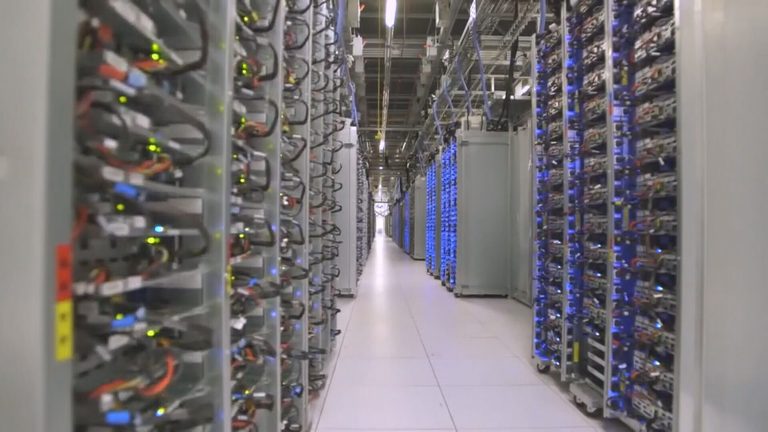
Madison, Wis. – The Common Council will consider a new ordinance on Tuesday that would make permanent the city’s restrictions on large‑scale artificial intelligence data centers. The proposal follows a year‑long study by the Planning Division and a period of public comment that prompted several revisions to the original draft.
Key provisions of the ordinance
The ordinance, sponsored by Mayor Satya Rhodes‑Conway and Alder Derek Field, would replace the temporary moratorium that expired on Jan. 24, 2027. It sets a maximum allowable size for new data‑center projects at 75,000 square feet, down from an earlier ceiling of 100,000 square feet. The measure also updates penalties under the city’s existing noise‑control ordinance to better address potential disturbances from these facilities.
City staff note that the size limit is intended to keep data‑center development consistent with Madison’s land‑use plan and to mitigate impacts on traffic, water use, and local infrastructure. The revised noise penalties would give the city stronger enforcement tools if a facility exceeds acceptable sound levels.
Environmental concerns raised by Clean Wisconsin
Clean Wisconsin Communications Director Amy Barrilleaux praised the city’s effort to protect nearby residents but warned that the environmental footprint of AI data centers extends beyond municipal borders. She cited a recent analysis indicating that three proposed AI data‑center projects in the state could collectively consume more electricity than four million homes.
“Our energy utilities are racing to meet that need by building a large number of new gas plants,” Barrilleaux said. “This appears to be easily one of the largest, if not the largest, increases in fossil‑fuel energy generation in the history of Wisconsin.” She added that the surge in electricity demand raises concerns about air pollution, public health, water consumption, and potentially higher utility bills for households.
Call for statewide action
While Madison’s ordinance would address local impacts, Clean Wisconsin argues that a piecemeal approach is insufficient. “We can’t have Madison or Sun Prairie or Middleton all racing to figure this out,” Barrilleaux said. “There need to be statewide protections that protect every community in Wisconsin.” The group is urging a statewide pause on AI data‑center development until comprehensive energy‑efficiency standards, clean‑energy requirements, and transparency measures are enacted.
Clean Wisconsin is also advocating for technology companies to bear the cost of any new energy infrastructure required to support their facilities. The organization says it is working with state legislators and other advocates to push for legislative action in the new year.
Next steps for the ordinance
A City of Madison spokesperson confirmed that the Tuesday introduction is the first step in the legislative process. Several city committees will review the proposal, hold additional public hearings, and submit recommendations to the Common Council before a final vote.
The council’s last scheduled meeting before the temporary moratorium expires is set for Jan. 12, with the moratorium officially ending on Jan. 24, 2027. Residents can review the full draft and submit comments at cityofmadison.com/datacenters.
Why this matters to Madison families
For homeowners and families in neighborhoods near proposed sites, the ordinance offers a measure of certainty about future development. By limiting the size of AI data centers and strengthening noise enforcement, the city aims to preserve the quality of life that Madison residents value, while also encouraging responsible, energy‑efficient growth.
The debate highlights a broader tension between attracting high‑tech investment and safeguarding community health and the environment—a balance that local leaders across the state will continue to navigate.
Original reporting: NBC15 WMTV (Gray) – local — read the source article.