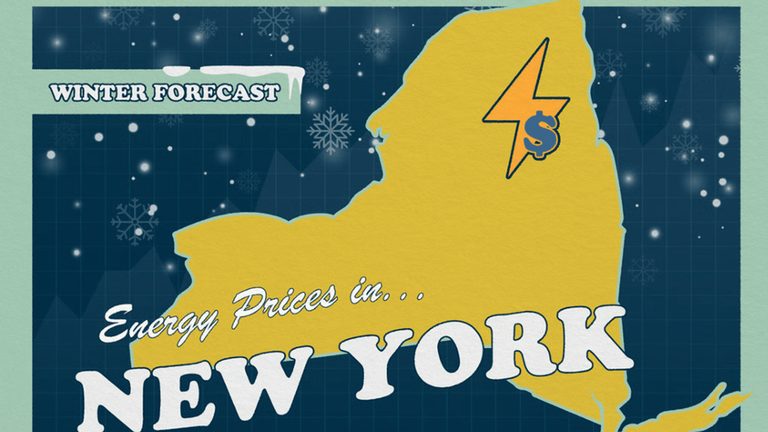
Albany, NY – A new report from the policy group Third Way warns that a growing number of New York families could see winter electricity bills exceed $1,000, representing roughly a nine percent increase from the previous year. The analysis attributes the rise to a strained power grid, continued dependence on heating oil, and delays in clean‑energy projects.
Key findings from the report
Third Way’s Deputy Director for Electricity, Francesca Hsie, said the study projects that many households will pay more than $1,000 for electricity over the winter months. The group estimates monthly bills could be $22 to $39 higher than last winter, according to data from utility provider National Grid.
Hsie highlighted two primary drivers of the cost increase. First, the state’s aging power‑plant fleet includes many facilities built three decades ago that operate inefficiently and are nearing the end of their useful lives. Second, the report points to a slowdown in new clean‑energy capacity. “In the last two years, there have been 22 gigawatts of clean‑energy projects that have been stalled, canceled, or outright stopped,” Hsie told CBS6 Albany. “Those projects typically take two to five years to develop and could have helped lower costs for New Yorkers.”
Policy backdrop
The analysis also references federal permitting delays for wind and solar projects that began after the Trump administration assumed office in 2025. Third Way notes that the administration’s freeze on certain permits has contributed to the backlog of clean‑energy projects.
Governor Kathy Hochul has responded by promoting an “all‑of‑the‑above” energy strategy that emphasizes expanding nuclear generation while also supporting fossil‑fuel sources. Republican lawmakers have echoed the governor’s stance, arguing that oil, natural gas and other fossil fuels remain essential components of the state’s energy mix.
Grid outlook
New York’s grid operator has warned of a potential electricity shortfall by 2033 unless the state brings additional generation online. The warning underscores the urgency of addressing both aging infrastructure and the stalled clean‑energy pipeline.
National Grid’s own forecast suggests that, without new supply, winter electricity costs could continue to climb, putting additional pressure on families already coping with higher heating oil prices.
What this means for residents
For households that rely on heating oil, the report suggests the financial impact could be even more pronounced. Higher electricity bills combined with rising oil costs may strain family budgets, especially in communities where incomes are already modest.
Local consumer‑advocacy groups are urging the state to accelerate approvals for new renewable projects and to invest in modernizing the existing grid. They argue that a diversified energy portfolio—combining nuclear, fossil fuels, and clean‑energy sources—will help keep rates affordable while ensuring reliability.
Looking ahead
The Third Way study calls for swift action to unblock stalled projects and to prioritize efficient, low‑cost generation. While the governor’s all‑of‑the‑above approach signals a willingness to consider multiple energy sources, critics say the state must also address permitting bottlenecks that have delayed clean‑energy development.
As winter approaches, New Yorkers should monitor their utility statements and stay informed about any policy changes that could affect their energy bills.
Original reporting: CBS 6 WRGB Albany (local) — read the source article.