Charleston, West Virginia – As the 2027 legislative session approaches, education financing is set to dominate debate in the West Virginia House and Senate. Two high‑profile proposals are on the table: a comprehensive revision of the state’s school funding formula and a separate teacher‑pay initiative put forward by State Treasurer Larry Pack.
Funding formula overhaul
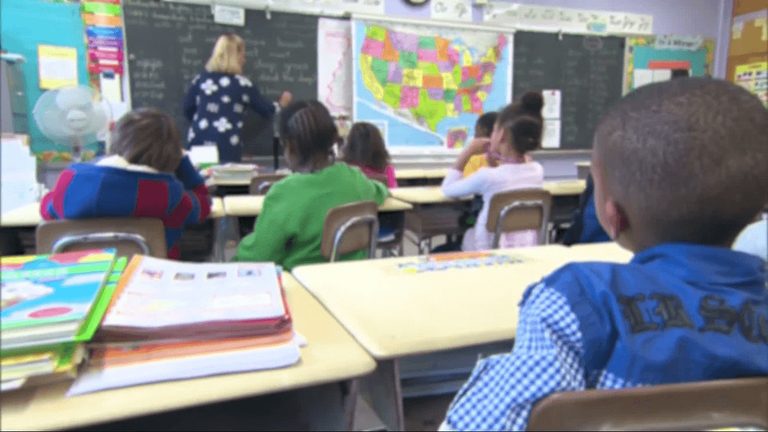
The Department of Education has drafted a plan that would adjust the current enrollment‑based formula to better reflect the needs of students who remain in schools despite a statewide decline in enrollment. The proposal adds weighted funding for special education and other identified student needs, and it would calculate funding using a three‑year average of enrollment rather than a single‑year snapshot. Officials say this approach would soften the impact of sudden enrollment drops on school budgets.
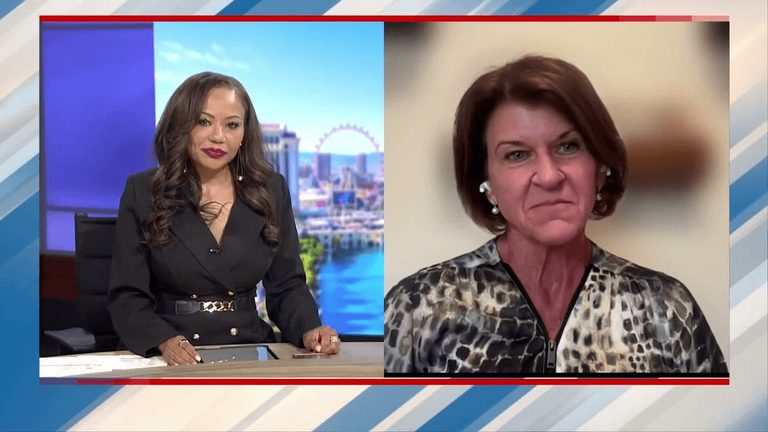
The estimated price tag for the full plan is about $410 million, with roughly $190 million earmarked for special education services. Governor Patrick Morrisey, speaking in a one‑on‑one interview with WCHS, emphasized that the challenge is not the amount of money but how it is allocated. “The money is not the challenge. It’s how the money is spent,” Morrisey said. He warned against a blanket infusion of half‑a‑billion dollars that could force tax increases, and he called for targeted assistance to counties that are struggling.
Teacher‑pay proposal
Separately, Treasurer Larry Pack has introduced a plan to raise the minimum teacher salary to $50,000 and to provide a $2,000 raise for teachers already earning above that threshold. Pack estimates the cost of his proposal at $60 million to $70 million. While the governor has not committed to a specific dollar amount for teacher pay, he reiterated the need for responsible budgeting and for any new resources to directly benefit both students and educators.
“We have to do this responsibly and certainly make sure that our kids and our teachers are benefitting, so new resources for teachers. We have to do this the right way,” Morrisey added.
Legislative timeline
The funding formula revision and the teacher‑pay plan are expected to be debated when the General Assembly reconvenes in January. Morrisey indicated that he is in ongoing discussions with legislators but has not pledged a final figure for either proposal.
Stakeholders, including school administrators, parent groups, and education advocates, are watching closely. Many emphasize the importance of maintaining strong support for special‑education programs while also ensuring that teacher compensation reflects the cost of living and the vital role educators play in the community.
What’s at stake
West Virginia currently ranks near the bottom of the nation in per‑pupil spending. Proponents argue that a more nuanced formula and higher teacher salaries will improve student outcomes and help retain qualified educators in rural districts. Critics caution that the projected costs could strain the state budget if not paired with revenue measures or spending cuts elsewhere.
Both proposals underscore a broader conversation about how to fund public education in a state facing demographic shifts and fiscal constraints. As the legislature prepares to take up these measures, the balance between fiscal responsibility and educational quality will remain a central theme.
Original reporting: WCHS Eyewitness News Charleston (local) — read the source article.