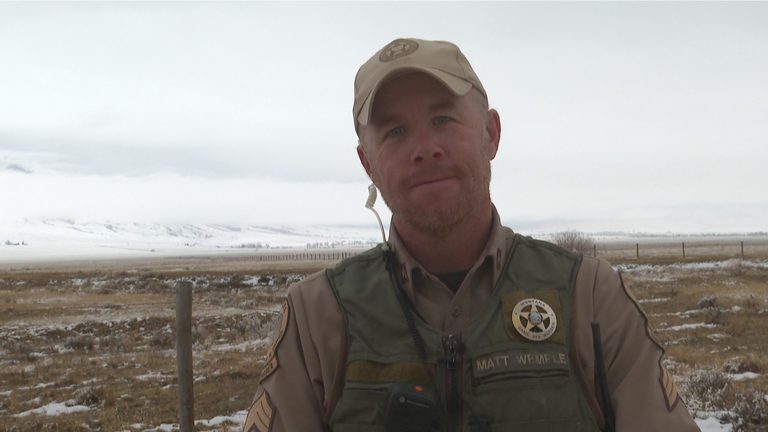
Montana’s wildlife resources rely on the steady presence of Game Wardens, especially during the state’s five‑week hunting season. In southern Madison County, Region‑3 Sergeant Matt Wemple spent a day on patrol, illustrating how the Fish, Wildlife & Parks (FWP) agency blends law enforcement with public outreach.
Community‑focused policing on the range
Wemple explained that the department’s model is deliberately designed to be community‑oriented. “We focus on developing relationships with sportsmen, landowners, and other people in the communities so that when they see something happening, they don’t hesitate to call us,” he said. This approach turns the typical law‑enforcement interaction into a partnership, allowing the public to act as eyes and ears for wildlife protection.
During the ride‑along, the warden fielded a variety of calls: a hunter who shot an elk that crossed onto private land needed help locating the landowner; another hunter requested assistance after an elk was shot before it entered public land; a resident sent photos of a hunter violating block‑management rules; and an out‑of‑state hunter simply asked whether elk were present in the area. Each call, though different, reinforced the warden’s role as a resource for information as well as enforcement.
Enforcing block‑management rules
One notable incident involved a man from California riding a side‑by‑side vehicle off‑trail in a designated block‑management zone. After receiving two photos of the violation, Sgt. Wemple tracked the individual, confirmed the off‑trail activity, and issued a citation. The driver cooperated, providing his phone number and email, and the citation was processed remotely.
Wemple’s ability to follow up on such complaints, even when the violator lives out of state, demonstrates the department’s commitment to upholding wildlife regulations while maintaining a respectful, cooperative tone with the public.
Staffing and future coverage
Currently, vacancies within the FWP force existing wardens like Wemple to cover larger territories. However, two new hires are slated to join the agency, soon placing full‑time wardens in Ennis and West Yellowstone. These additions will alleviate coverage gaps and ensure that the community‑focused model can continue across the county.
Why the job matters to the warden
Before joining FWP, Sgt. Wemple served with the Montana State University Police, another role that required frequent public interaction. He says his love of Montana’s outdoors makes the Game Warden position “the best job in law enforcement.” He added, “Just the fact that I get to be out in the places that I love, around the resources that I care about deeply, and I get to play a small part in maintaining that for future generations in Montana and I get to be in the country I want to be in every single day.”
The day‑long ride‑along highlighted how the agency’s blend of enforcement, education and relationship‑building helps protect wildlife while fostering trust among hunters, landowners and everyday citizens.
Looking ahead
As the hunting season progresses, the FWP’s community‑focused strategy aims to keep both wildlife and the public safe. With additional staffing on the horizon, Madison County residents can expect continued responsive service from their Game Wardens, reinforcing the partnership between law enforcement and the outdoor community.
Original reporting: KTVQ Q2 Billings (local) — read the source article.