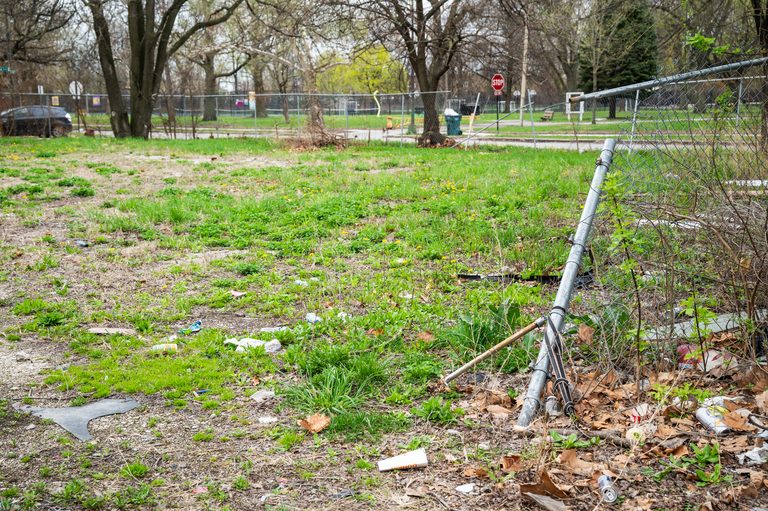
Chicago City Hall is seeing a new revenue package from Mayor Brandon Johnson aimed at closing a $75 million shortfall in the 2027 municipal budget. In a memo to alderpeople, the mayor outlined several options, the centerpiece of which is an annual $1,000 tax on privately‑owned vacant land. The fee, slated to begin in July, would not apply to side lots or owners who are actively pursuing development, according to the mayor’s office.
Projected impact of the vacant‑land tax
The Johnson administration estimates the vacant‑land tax could generate about $12 million in its first year. That revenue would be added to other measures the mayor is pursuing, including a transfer of $11.5 million from an underused investment fund and projected savings of more than $13 million through modernized procurement procedures.
Strengthening debt collection
Another $12 million could be secured by bolstering the city’s debt‑collection efforts. The proposal calls for hiring additional staff at the Department of Finance to ensure that outstanding balances owed to Chicago are collected from those who can afford to pay.
Council opposition and ongoing negotiations
While the mayor’s proposals aim to find common ground, a majority of City Council members remain opposed to two other revenue ideas in the broader budget plan: a corporate head tax and an increase to the Personal Property Lease Transaction Tax (PPLT). The head tax would have charged $25 per employee per month to companies with at least 125 employees, potentially raising $102 million annually. The PPLT, which applies to leases of equipment such as cloud‑computing services and construction machinery, would rise from 15 percent to 20 percent, generating an estimated $234 million.
Council leaders have criticized the mayor’s approach, accusing him of “tinkering at the margins of a $75 million problem he created.” They argue that a responsible budget should focus on reducing recurring costs, protecting essential services, and collecting what is owed without adding new taxes on jobs or property.
Mayor’s response
Mayor Johnson acknowledged the council’s concerns but emphasized that his latest proposals are an attempt to move the budget forward. “While our areas of agreement are substantial, I know council and I still have differences to resolve. But we share responsibility to pass a … budget on Dec. 31st. The consequences of failing to reach an agreement are too grave for any of us to take options off the table,” Johnson said.
The mayor added that the vacant‑land tax and other revenue measures are designed to be fair, targeting owners who are not actively developing their property while leaving space for legitimate development plans.
Financial outlook
Ratings agency S&P Global warned that the budget stalemate could increase the likelihood of a negative credit downgrade for Chicago within the next 90 days. The agency noted that prolonged negotiations may force the city to rely on one‑time measures rather than sustainable revenue streams.
Despite the tension, the mayor’s office remains optimistic that the proposed tax and collection improvements will provide a solid foundation for a balanced budget, allowing the city to continue delivering essential services to working families without resorting to broad‑based tax increases.
Original reporting: Block Club Chicago — read the source article.