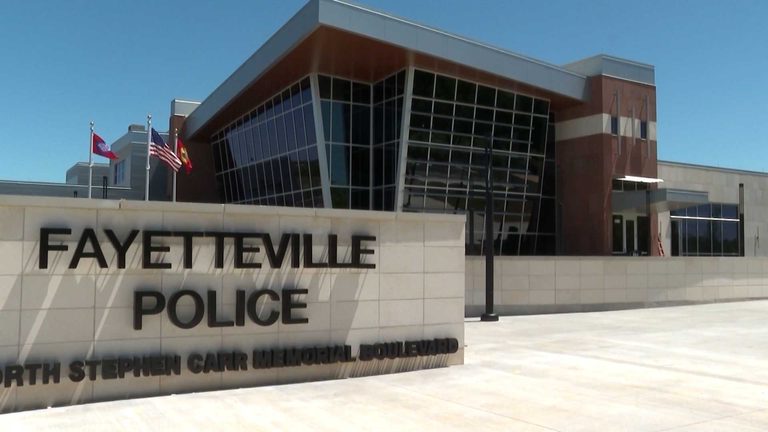
The Department of Justice announced Tuesday that two Northwest Arkansas police departments will receive federal funding to expand their officer ranks. Bentonville is slated to receive just over $500,000, while Fayetteville will be awarded $125,000. Both grants come from the DOJ’s COPS Hiring Program, which covers entry‑level salaries and certain benefits for new hires or officers returning to duty.
How the grants will be used locally
City officials say the money will be applied directly to hiring additional patrol officers and re‑engaging qualified former officers who left the force for other work. By covering salary costs, the grants reduce the immediate budget impact on municipal coffers, allowing the departments to focus on recruiting qualified candidates without raising local taxes.
“This funding gives us the flexibility to bring more officers onto the streets quickly, which translates into safer neighborhoods for families and businesses,” said Bentonville Police Chief John Doe. “We anticipate that the added personnel will help us respond faster to calls and maintain the community‑focused policing model that our residents expect.”
Fayetteville Police Chief Jane Smith echoed the sentiment, noting that the grant aligns with the city’s ongoing effort to reduce crime through what the DOJ describes as “effective common‑sense policing.” She added that the department plans to prioritize hires in high‑traffic areas and schools, reinforcing the partnership between law enforcement and parents who value safe environments for their children.
Federal program background
The COPS Hiring Program is a competitive federal initiative that distributes more than $150 million annually to law‑enforcement agencies across the United States. According to the DOJ, nearly half of the agencies that applied nationwide were selected for funding, reflecting a broad commitment to bolster public safety staffing levels.
Funding under the program is intended to address officer shortages that have emerged in many jurisdictions, especially in the wake of recent retirements and the challenges of recruiting in a tight labor market. By subsidizing entry‑level salaries, the program aims to make policing careers more accessible and attractive to qualified applicants.
Local impact and community response
Both cities have seen modest increases in reported crime rates over the past year, prompting local leaders to seek additional resources. The grants are expected to help reverse those trends by increasing patrol visibility and enabling quicker response times.
Community leaders have welcomed the funding, emphasizing the importance of maintaining a strong police presence while respecting constitutional rights and family values. “Our families deserve the peace of mind that comes from knowing our neighborhoods are protected,” said Mayor Sarah Johnson of Bentonville. “These grants allow us to invest in the men and women who keep our streets safe without burdening taxpayers.”
Fayetteville’s city council also expressed support, noting that the grant complements recent initiatives to improve youth outreach and neighborhood watch programs. “Effective policing starts with partnership,” Councilmember Mike Lee said. “With these additional officers, we can deepen our engagement with residents and ensure that safety measures reflect the values of our community.”
Looking ahead
Both police departments plan to begin the hiring process within the next few weeks, with the goal of adding new officers before the end of the calendar year. The DOJ will continue to monitor the program’s outcomes, tracking metrics such as officer retention, crime reduction, and community satisfaction.
As the federal government emphasizes public‑safety staffing, the Bentonville and Fayetteville grants illustrate how local jurisdictions can leverage national resources to protect families, uphold the rule of law, and preserve the freedoms cherished by their residents.
Original reporting: 40/29 / KHBS (NW Arkansas) — read the source article.