U.S. Attorney Ryan Raybould announced Wednesday that a federal grand jury has indicted three men for a nationwide jury‑duty fraud scheme that siphoned roughly $1 million from victims, many of them senior citizens in the Dallas‑Fort Worth metroplex.
Who is charged
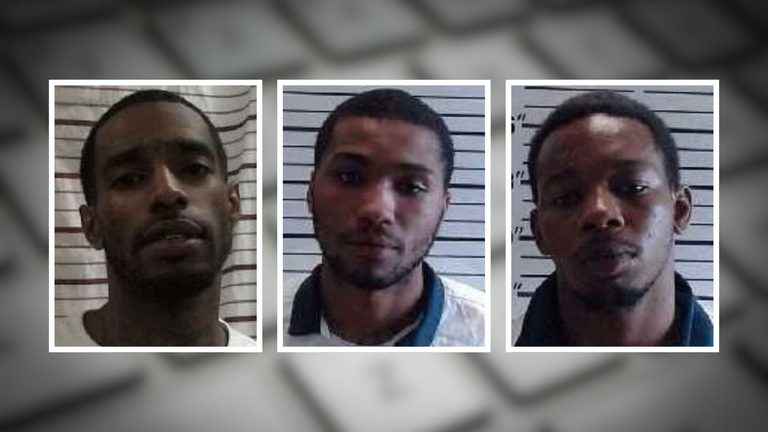
The indictment names Jamarius Micah Walker and Tyrone Gates III, both incarcerated at Valdosta State Prison in Georgia, and Akeem Weeks, who was housed at Wheeler Correctional Facility in Alamo, Georgia, before his parole release in October 2025. Prosecutors allege the trio used contraband cell phones to coordinate the operation from inside prison walls and from locations in Georgia and North Carolina.
How the scam worked
According to the indictment, the men harvested personal data from commercial people‑search websites, then used caller‑ID spoofing services and burner phones to contact victims. Posing as court officials or sheriff’s deputies, they followed a scripted script—referred to internally as the “Skit”—telling recipients they had missed jury duty and faced an arrest warrant.
Victims received counterfeit court documents from fake Gmail accounts such as [email protected] and [email protected]. The forged notices featured fabricated judge and officer signatures and warned recipients not to hang up, speak to family, bank tellers, or police.
Callers then instructed victims to withdraw cash and deposit it into cryptocurrency kiosks, often called “Bitcoin ATMs,” using a QR code sent by text or email. The scammers labeled the machines “federal bonding kiosks,” promising a refund after a court appearance—a promise that never materialized.
Impact on Texas residents
The scheme operated from at least April 2024 through July 2026, targeting hundreds of people across the United States. In Texas, victims lived in Dallas, Fort Worth, Keller and Greenville, with many described as elderly and vulnerable. The fraud cost the victims close to $1 million in total.
Law‑enforcement response
The U.S. Postal Inspection Service led the investigation after a citizen’s tip helped authorities trace the operation. During a press conference, Raybould displayed photos of Walker in prison surrounded by cash and Gates holding multiple cell phones inside his cell, underscoring the danger of contraband devices.
“Cell phones are the most dangerous thing inside a prison cell,” Raybould warned. “You can run a criminal enterprise, you can deal drugs, you can extort victims, and you can defraud elderly folks.” He urged the public to remain vigilant and not to send cryptocurrency payments in response to unsolicited calls.
What Texans can do
- Hang up immediately if a caller demands immediate payment via cryptocurrency or a “bonding kiosk.”
- Verify any claims about missed jury duty or warrants by contacting your local court or police department directly.
- Report suspected scams to law‑enforcement; victims should not feel embarrassed, as reporting helps stop criminal networks.
The indictment carries nine counts of wire fraud and money‑laundering offenses. If convicted, the defendants face substantial prison time and restitution orders.
Original reporting: Dallas – Ft. Worth Feed (HLL/CB) — read the source article.