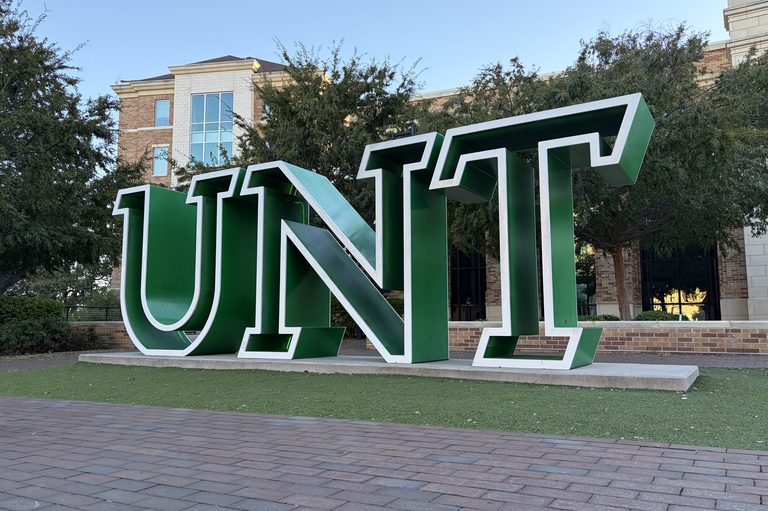
University of North Texas President Harrison Keller told a packed audience at his State of the University address on Nov. 12 that the school finished fiscal year 2025‑26 with a shortfall of under $5 million. That figure represents an $40 million, or 88.9%, reduction from the $45 million deficit the university had projected earlier in the year.
Why the deficit shrank
Keller explained that the university faced a two‑year loss of roughly 4,000 international students after enrollment peaked in fall 2023. The decline was concentrated in master’s degree programs and was driven largely by federal visa delays, not a lack of demand. “We had plenty of international students who wanted to come to UNT but just had trouble securing visas,” he said.
To offset the revenue loss from fewer foreign students and a $32 million cut in instruction and operations formula funding enacted by the Texas Legislature, UNT implemented a series of cost‑saving measures:
- Hiring restrictions across the university
- Consolidation of administrative and academic units
- Phasing out lower‑demand degree programs, minors, certificate tracks and classes
- Performance‑based budgeting
- Redirecting graduate admissions outreach toward domestic students
- Launching the One Path transfer and co‑enrollment program with Collin College
- Expanding partnerships with countries where UNT previously had limited presence
- Revising promotion, tenure and faculty workload guidelines
Looking ahead
Keller said the university will aim to eliminate the remaining deficit in fiscal year 2026‑27 by adding new revenue sources and improving operational efficiency. “We’re not out of the woods yet,” he warned, noting that the effort will require “a lot of hard work.”
The deficit‑reduction plan aligns with UNT’s long‑range “Look North: UNT 2030” strategic roadmap, which sets goals for retention, graduation rates and research funding. Upcoming priorities include merit‑based pay increases for faculty and staff, expanding the One Path model to more community colleges, raising first‑to‑second‑year retention from 77% to 90% through personalized advising, and developing new accelerated degree tracks.
Community impact
Local leaders and businesses have welcomed the university’s fiscal turnaround, noting that a healthier budget supports continued hiring, student services and community partnerships. The measures also reflect a broader trend of Texas higher‑education institutions adapting to shifting enrollment patterns while safeguarding the state’s educational mission.
UNT’s ability to dramatically reduce its projected deficit demonstrates proactive stewardship of public resources and a commitment to maintaining affordable, high‑quality education for Denton residents and the wider North Texas region.
Original reporting: Community Impact — Denton — read the source article.