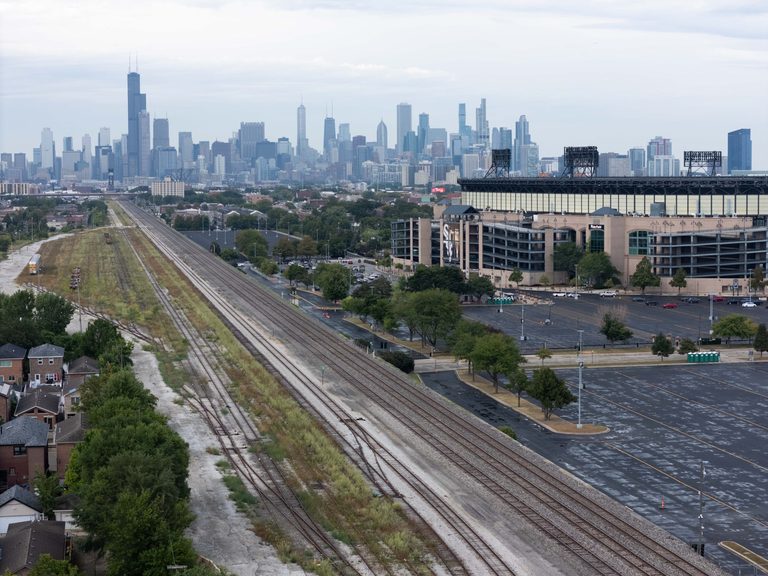
Amtrak told Chicago residents on Tuesday that it is abandoning its plan to shift maintenance facilities from the South Loop to a new yard in Bridgeport. Instead, the railroad will focus on upgrading its current 14th Street property near the Dan Ryan Expressway.
Why the change matters locally
The decision directly impacts developer Justin Ishbia’s ambitious Railyards project, which envisions turning the 14th Street site into a mixed‑use district anchored by a new White Sox ballpark. With Amtrak stepping back from selling the land, the stadium’s timeline and even its feasibility are now in question.
Amtrak’s stated rationale
Spokesman Marc Magliari said the railroad, in consultation with the U.S. Department of Transportation, is refocusing on “critical infrastructure needs, improved support for new trains and helping to advance future Midwest service growth.” He added that the Federal Railroad Administration has agreed to adjust its grant to match the new approach.
Community response
Alderman Nicole Lee (11th Ward) praised the reversal, noting that the Bridgeport location sits “squarely amid a residential area” and would have disrupted the neighborhood. “We have advocated relentlessly to ensure this project did not destroy the neighborhood that thousands of Chicagoans call home, and we are proud to have succeeded,” Lee said.
Lee also expressed optimism about continuing discussions on a new stadium and a revitalized 35th Street corridor that could boost the local economy while preserving community character.
Implications for the White Sox stadium plan
Without Amtrak’s commitment to sell the 14th Street parcel, Ishbia’s private‑equity firm Shore Capital Partners and its development partner Canal Edge have not confirmed next steps. The uncertainty leaves city officials and fans alike waiting to see whether an alternative site will be pursued or if the stadium project will be delayed.
Broader impact on Chicago transit and development
Amtrak’s shift signals a renewed focus on maintaining and improving existing rail infrastructure, which could benefit commuters on the Midwest corridor. At the same time, the move may open the door for other development opportunities on the 14th Street site, provided they align with city planning goals and neighborhood input.
Next steps
Amtrak had scheduled public feedback meetings for early December on the Bridgeport project; those sessions are now canceled. City planners will likely hold new forums to discuss the future of the 14th Street yard and any revised stadium proposals.
Stakeholders, including local residents, business leaders, and the White Sox organization, are expected to convene in the coming weeks to chart a path forward that balances transportation needs, economic growth, and the preservation of Chicago’s neighborhoods.
Original reporting: Block Club Chicago — read the source article.