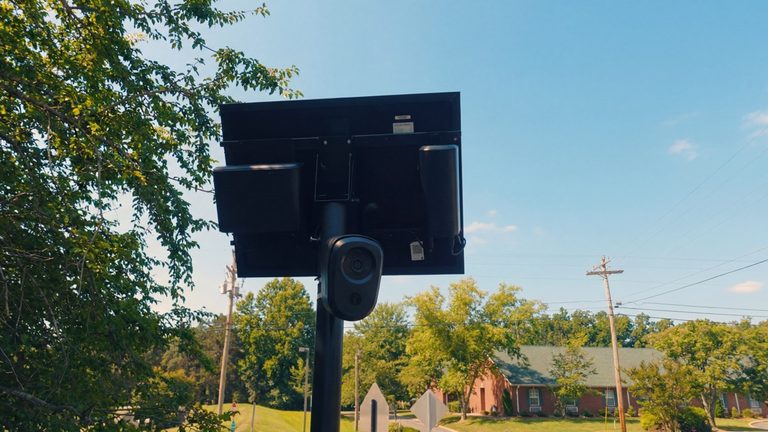
Fort Worth Police Chief Eddie Garcia signed General Order 350 on September 11, establishing stricter requirements for the city’s network of 819 Flock license‑plate‑reading cameras. The order, briefed to City Council on November 17, immediately revoked all officers’ access to the system until they completed mandatory training, passed a certification test, and signed an acknowledgment. Certification must be renewed annually.
How the new protocol works
The department operates 513 mobile cameras on patrol vehicles and 306 fixed cameras at strategic locations. Each camera records the time and location of every vehicle it scans. Under the new order, an officer may not stop a driver based solely on an unverified alert.
When an officer needs to search a plate for a stolen vehicle, missing person, or other legitimate investigation, the officer must enter a specific case number or approved code into the system and explain how the search relates to that case. Generic entries such as “investigation” or “patrol,” as well as curiosity‑driven look‑ups of former partners, are prohibited and constitute a violation of the order.
Auditing and accountability
Each month, auditors randomly select 100 searches for review. They verify that the cited case was open and directly connected to the plate read. Any search that contains a blank, generic, or unresponsive reason is flagged for further review. The Professional Standards Division audits all flagged searches, and an independent annual audit is submitted to the chief, the city manager, and the council.
If an officer faces an immediate threat to life or public safety that leaves no time to enter a code, the officer may conduct the search first but must submit a written explanation. The Real‑Time Crime Center must review the justification by the end of the officer’s next shift.
Data retention and transparency
Routine plate reads are deleted after 30 days, while search and audit logs are retained for at least 30 months. Chief Garcia told council members that investigators are currently reviewing unusual searches flagged by the system, and no violations have been confirmed at this time.
Impact of the Flock system
Garcia credited the Flock cameras with assisting police in more than 2,200 arrests since 2020. In a recent example, officers from neighboring Crowley used the cameras in October to locate a stolen vehicle that had entered Fort Worth, rescuing a six‑year‑old child who was found unharmed inside the vehicle.
The new policy reflects the department’s commitment to balancing effective law‑enforcement tools with respect for citizens’ privacy and accountability. By requiring clear documentation and regular audits, Fort Worth aims to ensure that the powerful technology serves the community responsibly while preserving public safety.
Original reporting: WBAP News/Talk (Dallas-Fort Worth) — read the source article.