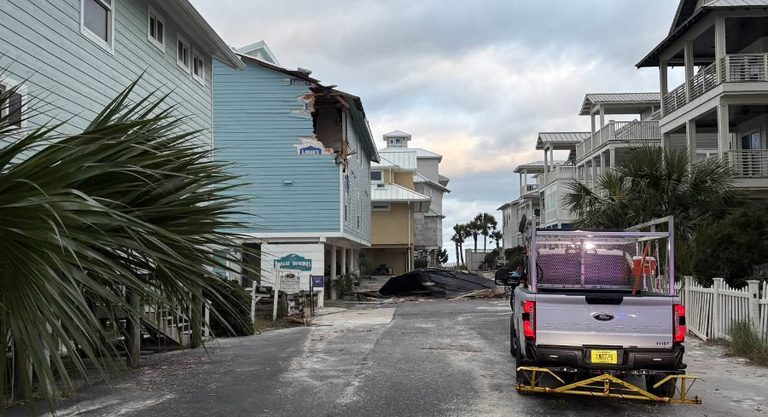
Federal relief is arriving for Floridians still reeling from Hurricane Isaias. The Federal Emergency Management Agency (FEMA) confirmed that more than $109 million in Public Assistance funds have been approved to support state agencies and local communities as they clear debris, restore essential services and rebuild critical public infrastructure.
President Trump’s disaster declaration unlocks aid
The funding stems from President Trump’s October 27, 2026 major disaster declaration for Florida. Under FEMA’s guidelines, the agency covers at least 75 percent of eligible recovery costs, dramatically reducing the financial strain on state and local budgets and allowing resources to be directed straight to the people who need them.
The lion’s share of the grant—over $77 million—goes to the Florida Department of Emergency Management. Those dollars reimburse the state for a sweeping list of crisis operations, including staffing emergency command centers, conducting evacuations, running search‑and‑rescue missions, providing emergency medical care, supplying temporary power and fuel, performing safety inspections, and supporting law‑enforcement patrols and security barricades. The money also funds mobile base camps and the distribution of essential supplies to affected residents.
County‑level support accelerates debris removal
In the Panhandle, two counties are receiving substantial federal backing for debris removal. Santa Rosa County secured more than $29.2 million to fast‑track the hauling away of storm wreckage, while neighboring Walton County obtained over $2.4 million for its own cleanup push. These funds enable local crews to clear roads, restore utilities and get neighborhoods back to normal as quickly as possible.
By covering the majority of eligible costs, FEMA’s Public Assistance program ensures that state and local governments can focus on delivering services rather than shouldering massive out‑of‑pocket expenses. The program’s safety‑net approach reflects the Trump administration’s commitment to empowering communities and protecting families during natural disasters.
What this means for Floridians
With the federal lifeline in place, Florida’s emergency managers can accelerate recovery efforts, reduce the backlog of damaged infrastructure and keep essential services running for residents. The infusion of funds also supports the state’s broader resilience strategy, helping to safeguard homes, schools and businesses against future storms.
Local officials have praised the swift disbursement, noting that the assistance will help maintain public safety, restore normalcy and protect the economic stability of affected counties. As cleanup continues, the partnership between federal, state and local partners demonstrates a unified response rooted in shared values of family, faith and liberty.
Original reporting: Tampa Free Press — read the source article.